
NEWS
Politics$9.5 Billion Injection from Saudi Arabia, Qatar, the UAE fail to Reflate Sudan's Economy
By Emmanuel Oluwafemi Oniyide | 9th Jul 2026 | 9:09 AM
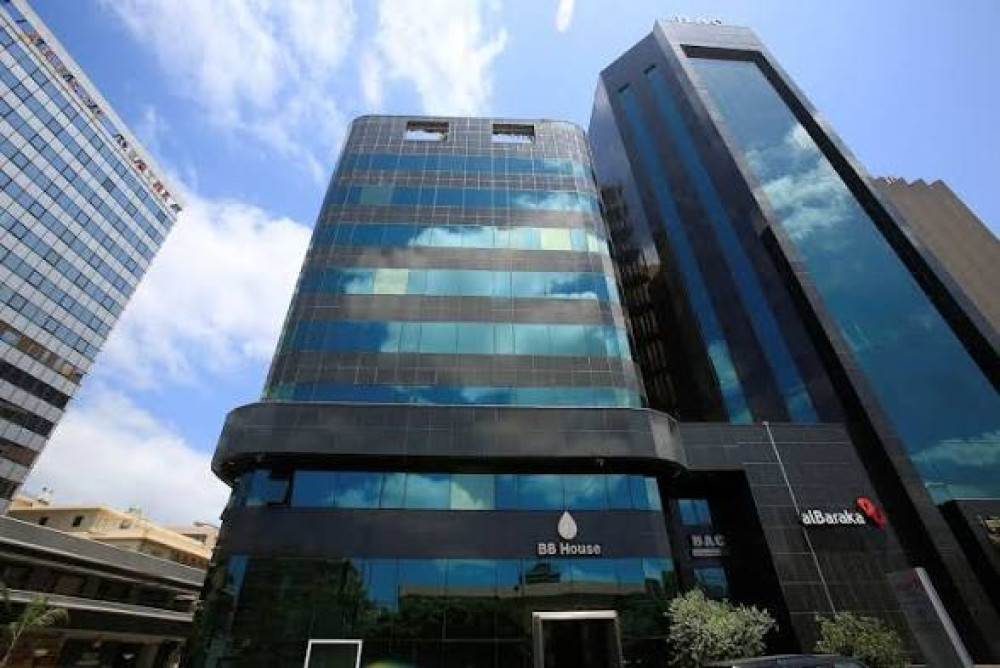

Powerful Gulf countries are not letting go of war-torn Sudan anytime soon, as Saudi Arabia, Qatar and the United Arab Emirates deepen their roles in a country weakened by hunger, economic collapse and a widening struggle over gold, aid and influence.
Since fighting between the Sudanese army and the Rapid Support Forces broke out in April 2023, Sudan has become a testing ground for Gulf influence, with powerful states seeking a greater stake in its gold, minerals and strategic assets. Meanwhile, the interest has brought aid pledges, mining deals, new gold routes and diplomatic pressure, but it has not changed the reality for most Sudanese.
Instead, IMF projections put Sudan's GDP per capita at about $864 in 2026 and real GDP growth at just 0.7%, keeping it among Africa's poorest economies as war, inflation and displacement continue to weaken the country.
Saudi Arabia moved early after the conflict began, hosting peace efforts and maintaining close contact with Sudan's army-backed authorities as the war disrupted trade, weakened public finances and pushed millions from their homes.
The UAE also remained one of Sudan's most important Gulf-linked players. However, its position became more politically sensitive as the war deepened and accusations over external support for the RSF grew louder.
In May 2025, Sudan's army-affiliated defence council said it would cut ties with the UAE, accusing Abu Dhabi of supporting the RSF with advanced weapons, an allegation the UAE has denied. The rift later widened after the UAE barred Sudanese planes from its airports and, according to a Financial Times report, halted cargo movements to and from Port Sudan from early August, disrupting flows linked to South Sudanese crude processed in Fujairah.
Gold has long been a major attraction for Gulf powers interested in Sudan's mineral wealth, and it has deepened the tension around the war. Reuters reported that the UAE imported almost 90% of Sudan's official gold exports in the first half of 2025, worth around $840 million, before a de facto flight and shipping embargo disrupted the trade and pressured the Sudanese pound.
Consequently, Sudan began shifting part of its gold trade towards Saudi Arabia in January 2026, after the kingdom's state-run gold refinery said it was ready to buy Sudanese bullion, offering Khartoum an alternative to Dubai's long dominance of its gold exports.
A month later, Sudan's army-backed Ministry of Minerals signed a gold exploration deal with Saudi Gold Refinery along the Red Sea coast, further expanding Riyadh's access to the country's minerals sector.
Meanwhile, as Sudan continued to fight for survival amid war and economic collapse, the UAE appeared to seek a humanitarian re-entry. In February 2026, Abu Dhabi pledged $500 million to a UN humanitarian fund for Sudan during a Washington donor event backed by a U.S. push to renew truce efforts.
Saudi Arabia's influence also became clearer in April 2026, when Business Insider Africa reported that Pakistan had placed a $1.5 billion weapons and jet sale to Sudan on hold. The deal had initially been brokered by Saudi Arabia, but Riyadh later withdrew financial support and asked for the agreement to be terminated, a move that came against the backdrop of wider U.S.-Iran tensions in the region.
Qatar, meanwhile, is pursuing a more investment-led path in Sudan. Sudan's Ministry of Minerals has allowed Qatari mining companies to resume operations after war-related disruptions, with Qatar Mining preparing to restart an $800 million copper project. More broadly, Qatari investment in Sudan is estimated at between $1.7 billion and $2 billion across about 60 projects in real estate, banking, agriculture and mining.
More recently, Saudi Arabia said it has provided $3.21 billion in humanitarian aid to Sudan through 359 projects, covering budget support, education, water and sanitation, health, food security, agriculture, energy, banking, mining and mineral resources. The UAE has also recently announced a $30 million emergency package for civilians affected by the worsening crisis in El Obeid, North Kordofan, despite its political mistrust with Sudan's army-backed authorities.
Altogether, Gulf-linked money in Sudan runs far beyond the latest aid pledges. Saudi Arabia cites $3.21 billion in support, Qatar's investments are estimated at $1.7 billion to $2 billion, while the UAE says it provided more than $4.24 billion between 2015 and 2025.
However, Sudan remains near the bottom of Africa's wealth ladder because much of the money is tied to aid, investment exposure, resource access or geopolitical leverage, rather than broad economic recovery.
The contest is also moving beyond the Gulf. Western actors, Turkey and regional powers such as Egypt are increasingly watching Sudan's resources, reconstruction prospects and political future, turning the country's crisis into a wider struggle for influence.





Comment on this Post
Comments (0)