
NEWS
PoliticsAngola Rejects Botswana's Reported 30% Stake in $6.6bn Lobito Refinery Amid Conflicting Claims
By Emmanuel Oluwafemi Oniyide | 17th Apr 2026 | 9:32 AM
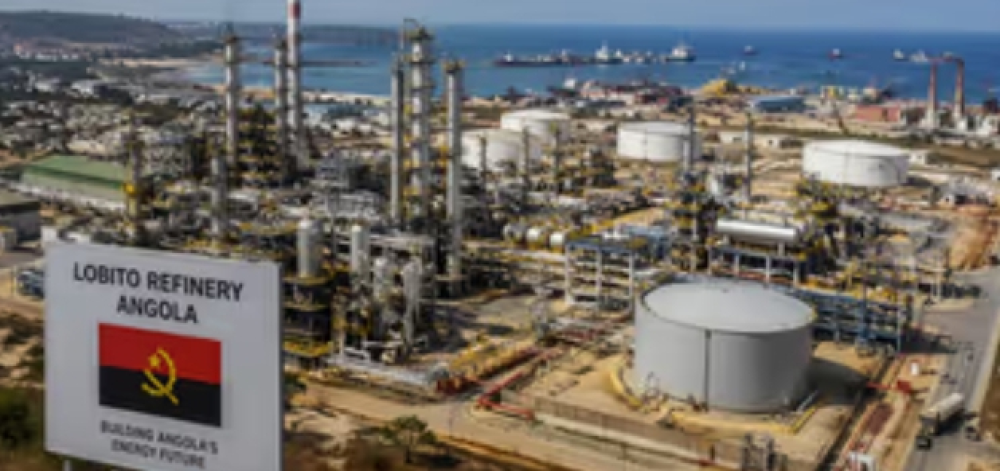

Angola's planned $6.6 billion Lobito refinery is facing fresh funding uncertainties as negotiations with regional and international investors slow, raising concerns over the project's near-term financial closure.
State-owned oil company, Sonangol has said it has not received any formal communication from Botswana regarding reported plans to acquire a stake in the project, contradicting media reports suggesting otherwise.
Speaking on the sidelines of an energy conference in Cape Town, Sonangol refining chief Joaquim Kiteculo told Reuters that the company was surprised by the reports.
"It was our first time to hear that Botswana is interested," he said, adding that Zambia had been the country initially engaged in discussions around participation in the project.
Kiteculo also noted that Angola remains open to new partners but stressed that no formal structure involving Botswana has been presented. "Angola is open to partnerships with new investors but will retain a 51% majority in any restructuring," he said, reinforcing the government's insistence on maintaining control of strategic infrastructure.
The refinery, designed to process around 200,000 barrels per day, is a central pillar of Angola's strategy to reduce dependence on imported refined fuel and retain more value from its oil production. Angola continues to export crude while importing refined products at significantly higher cost, a pattern common across several African producers.
Botswana's energy ministry has not publicly confirmed any formal engagement on the refinery, despite earlier parliamentary comments suggesting interest in acquiring up to a 30% stake. The lack of alignment between official communications has added to uncertainty around regional participation.
Angola is currently seeking to close an estimated $4.8 billion financing gap for the project, with discussions ongoing in China involving government and Sonangol representatives. The refinery has already seen significant early-stage spending, including infrastructure investments, as Angola attempts to keep momentum despite funding constraints.
Kiteculo said the project would continue moving forward even as financing talks continue, underscoring the government's long-term commitment to reducing import dependency and strengthening domestic refining capacity.
If completed, the Lobito refinery would add to a slowly expanding list of African refining projects aimed at reducing reliance on imported fuel. However, the continent still imports a significant share of refined petroleum products despite being a major crude producer, highlighting persistent structural weaknesses in downstream capacity.
For Angola, the challenge remains balancing investor participation with sovereignty over strategic energy assets—while ensuring that financing delays do not further slow one of its most important industrial projects.





Comment on this Post
Comments (0)