
NEWS
PoliticsChina’s Sinomine Persuade Zimbabwe to Roll Back Lithium Decision
By Emmanuel oniyide | 15th Mar 2026 | 8:02 AM
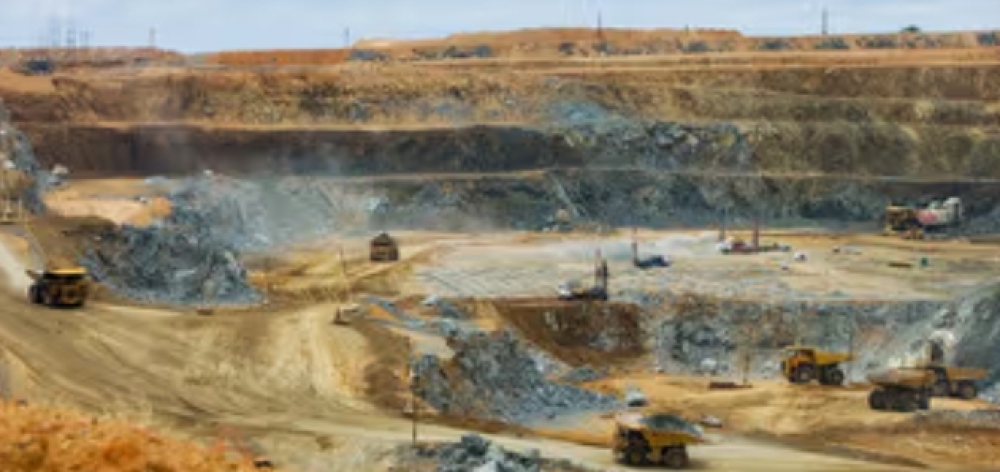

Chinese mining and resource development company, Sinomine Resource Group is looking to reignite business with Zimbabwe, Africa’s largest lithium producer.
Sinomine Resource Group is negotiating with Zimbabwe to resume lithium exports. Zimbabwe recently banned the export of lithium concentrates and unprocessed minerals due to concerns about government malpractice and resource leakages.
The ban triggered a spike in global lithium prices and put pressure on battery manufacturers, particularly in China. Zimbabwe aims to promote in-country value addition and accountability by revising export procedures and minimizing raw mineral exports.
The Chinese mining company recently disclosed that it is in talks with Zimbabwe to yet again tap into the Southern African country’s massive lithium reserves. According to Sinomine, it intends to resume exporting lithium from Zimbabwe weeks after the country decided to halt the exportation of lithium concentrates.
"The company is in communication with Zimbabwean authorities over a new export application," Sinomine said in response to investors' queries on a platform affiliated with the Shenzhen Stock Exchange, as seen on Reuters.
Zimbabwe moved quickly to suspend the export of lithium concentrates and any raw or unbeneficiated minerals that have not undergone value addition, owing to allegations of government malpractice and leakages.
"Government remains committed to... in-country value addition and beneficiation, compliance, and accountability in the exportation of Zimbabwe's mineral resources," the country’s mines ministry revealed in a statement, noting that it will realign export procedures because of "continued malpractices during the exportation of minerals."
"This review is part of a broader effort to curb leakages and enhance efficiency within our systems," the ministry added.
Zimbabwe’s government is introducing a tougher mining policy that will allow authorities to revoke licences from operators who breach environmental laws, as communities demand stronger protection from pollution and land degradation.
Market reactions were immediate, as lithium prices spiked significantly on futures exchanges in response to expected supply constraints. Some analysts warned that short-term supply deficiencies could propagate throughout global battery supply chains.
Although the decisions appeared abrupt at the time, Zimbabwe had already announced plans in 2025 to prohibit the exportation of lithium concentrates beginning in January 2027.
Shortly after the ban, reports showed that China’s battery manufacturers began feeling the brunt of Zimbabwe’s decision. According to market data, Zimbabwe supplied almost 19% of China's imported lithium concentrate in the most recent reported year, making the Southern African country one of Beijing's most important upstream partners prior to the suspension. More precise customs data show that Zimbabwe accounted for 10% to 15% of China's lithium concentrate imports in some months, depending on trade flows and reporting cycles.





Comment on this Post
Comments (0)