
NEWS
PoliticsDangote Divested from Textiles, Telecom, Tomato, Aviation, Banking for Refinery
By Emmanuel Oluwafemi Oniyide | 18th Sep 2026 | 10:59 AM
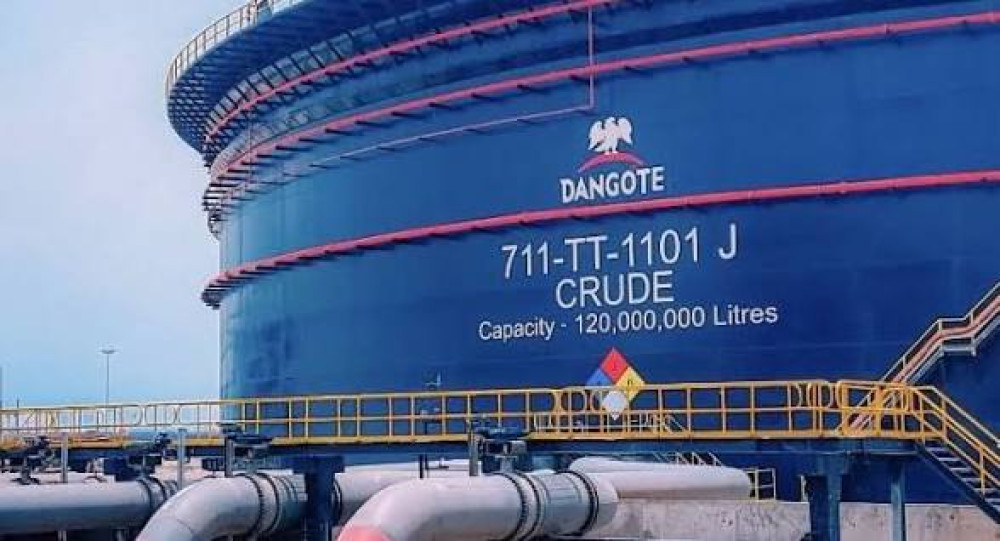

Nigerian billionaire, Aliko Dangote built Africa’s largest refinery after shutting or selling textile, telecom, tomato, aviation and banking ventures.
The $1.6 billion Dangote Refinery IPO has drawn huge interest from Nigerian retail investors and international institutions, valuing the 700,000-barrel-per-day plant at about $47.6 billion. Dangote is now worth an estimated $51.3 billion. But the empire was not built on successful bets alone.
Textiles became one of his costliest setbacks. The group invested in Dangote General Textile Mills and acquired the foreign shareholder of Nigerian Textile Mills, a factory established in 1960 for the Western Region by Chief Obafemi Awolowo. Cheap imports, Chinese and Indian dumping, weak government protection, unreliable power and high operating costs made the businesses hard to sustain.
Dangote eventually shut both factories. The closures affected nearly 8,000 workers, including 6,920 at Nigerian Textile Mills in Ikeja. Dangote has described textiles as his biggest business mistake.
Liberty Merchant Bank was sold to help settle pension and gratuity obligations from the textile businesses. The bank sold for N1.2 billion, but nearly all the proceeds went to closing the textile businesses and paying former workers.
“Luckily for us, somebody now came and said he wanted to buy our bank, Liberty Merchant Bank. By the time we sold Liberty, I cashed out N1.2 billion. The industry consumed N985 million to pay pensions and gratuities just to get out of the business,” Dangote said.
Dangote Flour Mills was a more complicated venture. Founded in 1999, it grew rapidly and listed in 2008. In 2012, Dangote sold a 65% stake to Tiger Brands for about $200 million. Tiger later struggled and exited, allowing Dangote to buy it back at a lower price. Dangote eventually exited the flour business again, citing foreign-exchange challenges. In 2019, Singapore-based Olam acquired Dangote Flour Mills for ₦120 billion and later integrated it into Crown Flour Mills.
Telecoms was another missed opportunity. Dangote reportedly paid about $20 million for a licence and planned to compete with MTN, Glo and Airtel. Internal disputes, delays in securing approvals and the enormous cost of building a nationwide network made the venture difficult. Dangote eventually withdrew from the sector.
Tomato processing also struggled. Dangote entered the sector in 2016 with a Kano factory designed to process 1,200 tonnes of fresh tomatoes daily. The project aimed to reduce Nigeria’s reliance on imported tomato paste and create a market for local farmers. By 2021, Dangote revealed it had barely turned a profit, with farmers supplying only about 20% of its capacity. The plant was intended to capture some of the 900,000 tonnes of tomatoes reportedly wasted after harvest each year and reduce imports from China. Supply shortages, high energy costs and other challenges led to repeated shutdowns and reopenings.
Aviation was short-lived. In 2002, Dangote partnered with Sam Iwuajoku and Seaside View Management to launch Executive Jets Services. The company began VIP charter operations with a nine-seat Hawker Siddeley HS125-700A aircraft and planned to expand into passenger services with two Embraer 120 aircraft. Operational challenges ended the venture, and Dangote abandoned the airline business.
The Dangote Refinery, now valued at about $47.6 billion, processes 700,000 barrels per day.




Comment on this Post
Comments (0)