
NEWS
PoliticsEuropean Gas Prices Jump over 50% in Response to U.S-Iran Conflict
By Emmanuel oniyide | 7th Mar 2026 | 10:53 AM
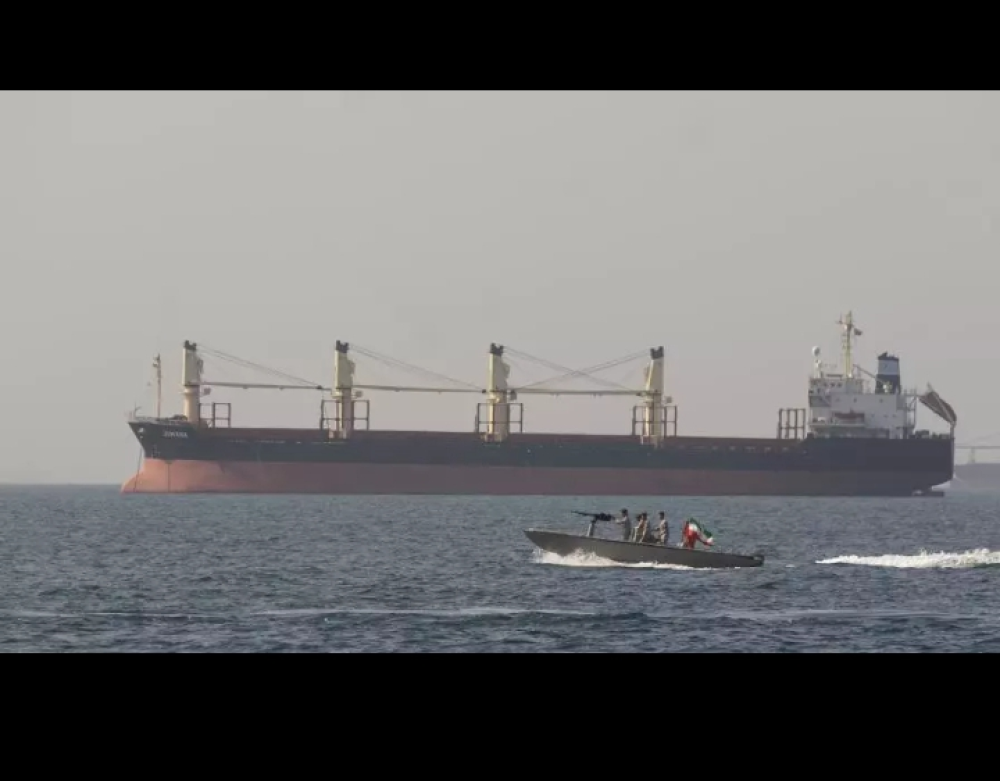

European gas markets were jolted by an extraordinary surge in benchmark prices, with TTF natural gas futures rising by more than 50% in a single trading session.
According to consistent reporting across major outlets such as Reuters and Bloomberg, the spike was not driven by a single disruption, but by a convergence of supply concerns, geopolitical risk, and market dynamics interacting in an already tight energy system.
At the core of the surge were renewed fears over supply stability. Reports highlighted uncertainties around pipeline flows, unplanned maintenance outages, and the persistent fragility of European gas imports following reduced reliance on Russian supply. As noted by Financial Times, even the perception of tightening supply—rather than confirmed shortages—has been sufficient to trigger aggressive market reactions, underscoring the sensitivity of European energy markets to disruption signals.
Compounding these concerns is intensifying global competition for liquefied natural gas (LNG). Asian demand, particularly from major importers, has remained strong, often drawing cargoes away from Europe. Analysts cited by CNBC emphasize that Europe increasingly functions as a balancing market, where price must rise sharply to attract marginal LNG supply during periods of heightened global demand.
Weather-related demand has also played a reinforcing role. Colder-than-expected conditions and periods of low wind generation have increased reliance on gas-fired power, accelerating storage drawdowns. While storage levels have not necessarily reached critical lows, the rate of depletion and uncertainty of replenishment cycles have added to bullish sentiment in futures markets.
However, the scale of the price movement points strongly to financial amplification. Thin liquidity, algorithmic trading, and short-covering activity have all been identified as key contributors to the magnitude of the spike. As widely reported, such structural market features can transform supply-driven anxiety into extreme price volatility within very short timeframes.
From a mining and broader extractive industry perspective, the episode reinforces a critical reality: energy markets are increasingly governed by systemic interdependencies rather than isolated fundamentals. Gas pricing is no longer a simple reflection of production levels, but of a complex network linking infrastructure, geopolitics, climate variability, and financial behavior.
For resource-dependent sectors, this volatility underscores the growing importance of energy security, diversification strategies, and integrated planning across the full resource value chain.





Comment on this Post
Comments (0)