
NEWS
PoliticsGhana Ends Raw Gold Exports by 2030, Following African Wave of Resource Bans
By Emmanuel Oluwafemi Oniyide | 19th Aug 2026 | 10:25 AM
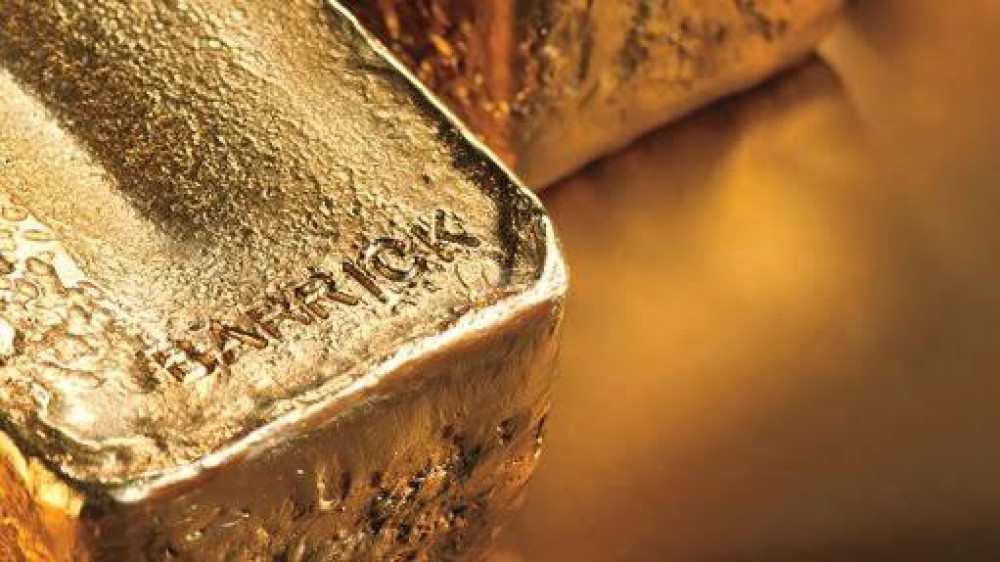

Ghana, one of the world's largest gold producers, is moving toward banning raw gold exports as part of President John Mahama's industrialization push, following similar resource restrictions recently imposed by Zambia, Zimbabwe, and Guinea.
The policy shift emerged during a meeting between Ghana's Foreign Minister, Samuel Okudzeto Ablakwa and his Russian counterpart, Sergey Lavrov in Moscow on August 17, where Ablakwa outlined Mahama's vision to retain mineral wealth domestically.
“By 2030, President John Mahama does not want to export raw materials out of our country; we want to add value, we want to create jobs, and we want to industrialize,” Ablakwa told Lavrov.
The Foreign Minister noted that trade between Ghana and Russia is already diversifying beyond traditional exports. “We recently received a trade delegation, and we are seeing an uptick in our trade numbers; we’ve seen diversity as well, beyond traditional exports; we are seeing more strategic investment and your support in our effort to add more value to our primary commodities,” Ablakwa said.
Ghana has historically exported up to 99 percent of its gold in raw form, allowing foreign refineries in Switzerland, the UAE, and India to capture most downstream value. The government has already taken concrete steps, signing a refining agreement on May 25, 2026, with Royal Ghana Gold Refinery to process up to one metric ton of gold weekly.
A separate deal with Gold Coast Refinery, signed January 20, 2026, grants Ghana a 15 percent free carried interest in the refinery.
“When we took office on January 7, 2025, Ghana did not have any functioning gold refinery refining gold locally for export,” Sammy Gyamfi, CEO of the Ghana Gold Board, said at the May signing ceremony. “All the gold we produced was exported in raw form, and that narrative must change,” he added.
The Ghana Gold Board currently purchases an average of 2.5 metric tons of gold per week and is negotiating with large-scale mining firms to acquire up to 30 percent of their output for local refining. The government is also seeking London Bullion Market Association accreditation for local refineries.
Ghana's move aligns with a broader continental trend. In July 2026, Zambia restricted unrefined copper exports to force foreign mining companies to build local processing plants. Zimbabwe suspended raw lithium concentrate exports in February 2026, citing government malfeasance and leakages. On June 19, Guinea's President Mamady Doumbouya announced an immediate ban on raw gold exports, requiring all gold to be processed into ingots at a new refinery in Conakry.
“Guinea possesses the second largest gold reserves in West Africa, but its gold leaves the country daily in raw form to be processed, certified, and sold elsewhere,” Doumbouya said in a broadcast by state-owned Radio Télévision Guinéenne. “From today, I put an end to this practice: Guinea will require its gold to be processed within its borders. Raw gold will no longer leave Guinea,”.
Nigeria also banned raw cocoa bean exports on July 15, 2026, joining forces with Côte d'Ivoire, Ghana, and Cameroon to form a strategic West African cocoa alliance.
Gyamfi said the long-term goal is to gradually phase out raw exports entirely. “So once this agreement takes off fully, we will be reducing gradually the quantity of raw gold that we export, and will rather be increasing the quantity of refined gold,” he explained.





Comment on this Post
Comments (0)