
NEWS
PoliticsGold's Resilience in Middle East Conflict Signals Market Maturity
By Emmanuel oniyide | 18th Mar 2026 | 6:55 AM
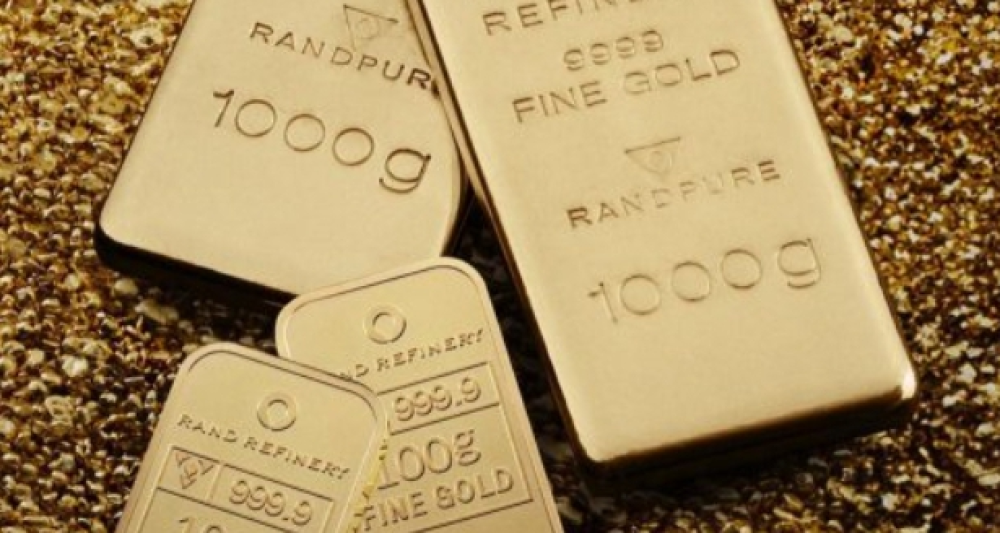

The regional nature of current gold supply disruption highlights how far the market has come since Covid
The message from the World Gold Council's senior strategists this week is remarkably clear: don't panic.
In an era where every crisis is measured against the supply chain chaos of 2020, John Reade and Joseph Cavatoni are drawing a very different picture of gold's current disruption. And frankly, it's a refreshing dose of perspective.
When conflict escalated in the Middle East and gold briefly touched $5,500/oz before settling around $5,100/oz, the instinctive reaction might have been to brace for global shortages. But here's the crucial distinction the strategists make: this is regional disruption, not global paralysis.
Dubai handles roughly 20% of physical gold flows—a significant figure, certainly. But the industry's diversity is its strength. Singapore stands ready. Switzerland remains the stalwart. New York holds substantial inventory. The London and Shanghai exchanges continue functioning normally.
This isn't complacency; it's confidence born of structural resilience.
What's particularly striking is the strategists' emphasis on rerouting rather than hoarding. Gold flows destined for India and China—the world's heavyweight consumers—will find alternative paths. Flight hubs may be disrupted, but trade routes adapt.
Perhaps the more interesting discussion centres on what Reade and Cavatoni call "the changing nature of the marginal buyer."
Gold at $5,100/oz isn't just responding to geopolitical tension. It's reflecting a fundamental shift in market participation. Central bank buying drove the 2024 rally.
Today, Western investment and speculative flows have joined the party, creating a more complex price dynamic.
With implied volatility sitting at 28 for three-month options—elevated by any historical measure—the strategists offer sound advice: understand it, don't fear it.
This matters because volatility cuts both ways. Rapid price appreciation can reverse just as quickly. Reade's warning that gold will attract speculative flows when trending higher is worth heeding. The fundamental value proposition hasn't changed, but the path to realising it may be bumpier.
The Strait of Hormuz remains one of the world's most critical choke points. Protracted conflict could still impact safe haven assets. But Reade and Cavatoni's core argument stands: this is not Covid revisited.
For investors, the takeaway should be measured. Gold's role as a strategic asset and safe haven remains intact. What's changed is the market's composition—more participants, more strategies, more liquidity. That brings both opportunity and volatility.
The strategists' most sobering insight? Don't expect a rapid return to $1,500/oz-$1,800/oz levels. The market has evolved. The question now is not whether gold will remain resilient, but how investors will navigate a landscape where regional disruption meets global diversification.
In that context, the Middle East conflict, while serious, appears containable for gold markets. And that, perhaps, is the real story.





Comment on this Post
Comments (0)