
NEWS
PoliticsIDC to Offload 10.5% Stake in Namibian Uranium Mine over Iranian, Russian Sanctions Concerns
By Emmanuel Oluwafemi Oniyide | 6th Sep 2026 | 7:28 AM
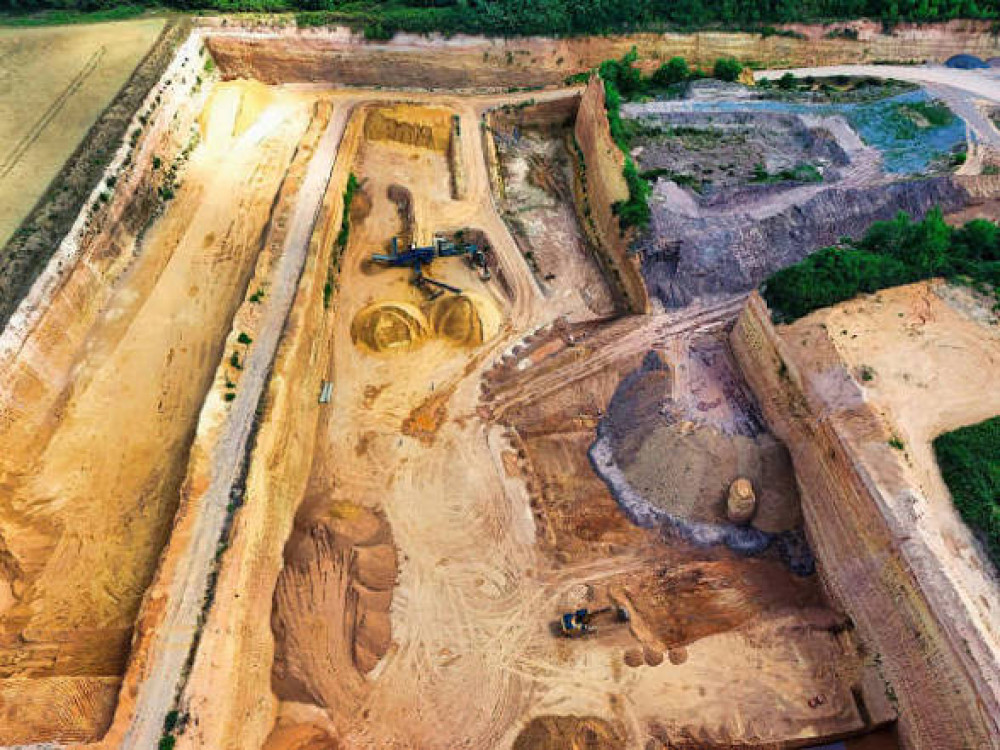

South Africa's Industrial Development Corporation (IDC) has announced plans to divest its 10.5 per cent stake in Rossing Uranium, one of the world's largest open-pit uranium mines in Namibia, because the mine's backers include entities from Iran and Russia that are subject to international sanctions.
The development financier disclosed the decision in its annual report, stating that continued investment in Rossing had become inconsistent with its internal policies and lender requirements.
The Johannesburg-based firm has already received at least 35 proposals for its stake, according to the report.
"The IDC's continued investment in Rossing is inconsistent with its internal policies and lender requirements, which oblige the IDC to exit business relationships involving sanctioned parties," the corporation said in its annual report.
Rossing Uranium operates the massive open-pit mine in the Namib desert, a site that has been producing uranium since 1976.
The mine's ownership structure includes Iranian and Russian entities that have been placed under international sanctions, creating compliance risks for the IDC, which is a state-owned development finance institution.
The IDC's decision comes amid heightened global scrutiny of business dealings with sanctioned nations, particularly following Russia's invasion of Ukraine in 2022 and ongoing restrictions on Iran's nuclear programme.
Financial institutions and state-owned enterprises worldwide have been under pressure to sever ties with entities connected to these countries.
Business Day first reported the IDC's plans earlier on Friday. The corporation did not disclose the identities of the Iranian and Russian shareholders in Rossing, nor did it provide a timeline for the sale or an estimated value of its stake.
The Rossing mine has been a significant employer in Namibia, contributing to the country's uranium exports, which are a key pillar of its economy. Namibia is one of Africa's largest uranium producers, and Rossing has historically been a major supplier to nuclear power markets in Europe and Asia.
The IDC's decision could have implications for Namibia's uranium sector, though the corporation's stake is minority and the mine's operations are expected to continue. The 35 proposals received for the stake suggest strong interest from potential buyers, though the IDC will need to ensure any new partner also complies with its sanctions policies.
"IDC to sell its stake in Namibian uranium mine," Bloomberg reported on September 4, 2026, confirming the development financier's exit from the project. The corporation's annual report did not specify whether the sale process had been completed or when a final decision on the buyer would be made.
The IDC, established in 1940, is one of South Africa's key development finance institutions, providing funding for industrial projects across the continent. Its decision to exit Rossing underscores the growing compliance burden facing state-owned enterprises with international exposures.



Comment on this Post
Comments (0)