
NEWS
PoliticsIf Dollar Runs Short, Oil Sales May Switch to Yuan, UAE Warns US
By Emmanuel Oluwafemi Oniyide | 20th Apr 2026 | 11:58 AM
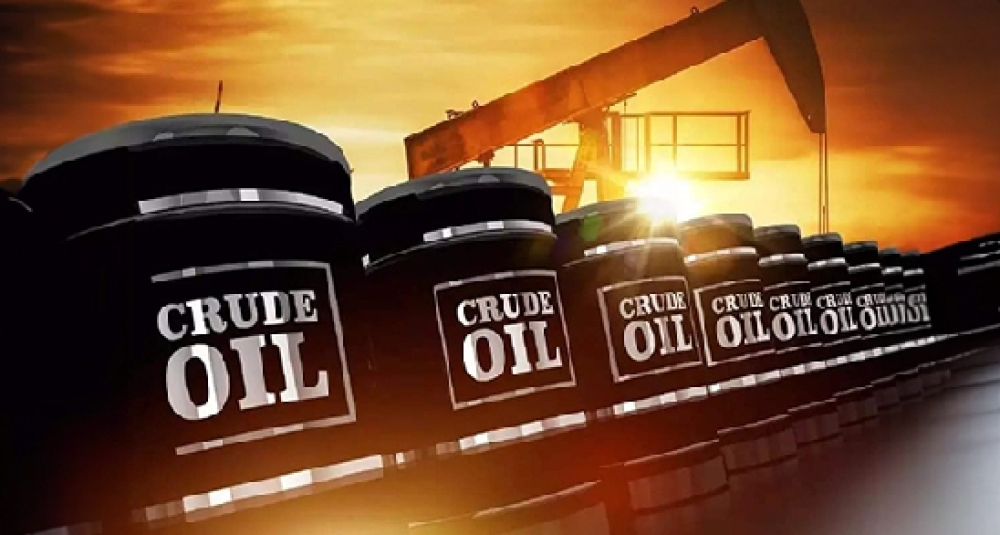

According to US officials cited by The Wall Street Journal, the UAE has initiated preliminary talks with the US to establish a currency swap arrangement for wartime financial support. Emirati officials have explicitly warned Washington that if dollar liquidity continues to tighten, they may be forced to switch to China's yuan or other currencies for oil sales and other transactions. The UAE's central bank governor met with US Treasury and Federal Reserve officials in Washington last week.
The UAE’s urgency stems from the severe economic impact of the US-Iran conflict. The war has damaged UAE oil and gas infrastructure and cut off its Strait of Hormuz shipping route, depriving it of critical dollar revenues. Abu Dhabi stresses that the Trump administration’s decision to attack Iran has dragged the UAE into a conflict whose repercussions may not yet be over.
Analysts say switching oil transactions away from the dollar would pose a latent threat to the greenback’s global dominance — a position partly built on its near-monopoly in global oil trade. The UAE’s warning shows that even close Gulf allies are seeking hedges against dollar liquidity risks. If the UAE follows Iran’s example and shifts oil settlements to yuan, it could further erode the dollar’s global standing.
Still, given the UAE’s relatively limited financial ties to US markets, the Fed is unlikely to approve a swap line. The US Treasury has provided alternative swap arrangements to Argentina via the Exchange Stabilization Fund, a possible model. Meanwhile, Abu Dhabi raised roughly $4 billion via private placement this month, and Bahrain set up a $5 billion swap line with the UAE, showing Gulf states are tackling liquidity pressures through multiple channels.
The UAE’s warning is the latest sign of an accelerating shift in global energy trade patterns. Data show that the yuan’s share of Middle East oil trade with China has exceeded 41%, making it the region’s second-largest settlement currency. This transformation is moving slowly from quantitative to qualitative change — even as the dollar remains dominant for now, each warning like the UAE’s nudges the process forward.





Comment on this Post
Comments (0)