
NEWS
PoliticsMorocco Makes List of World's Top Silver-producing Countries
By Emmanuel Oluwafemi Oniyide | 19th Jun 2026 | 10:50 AM
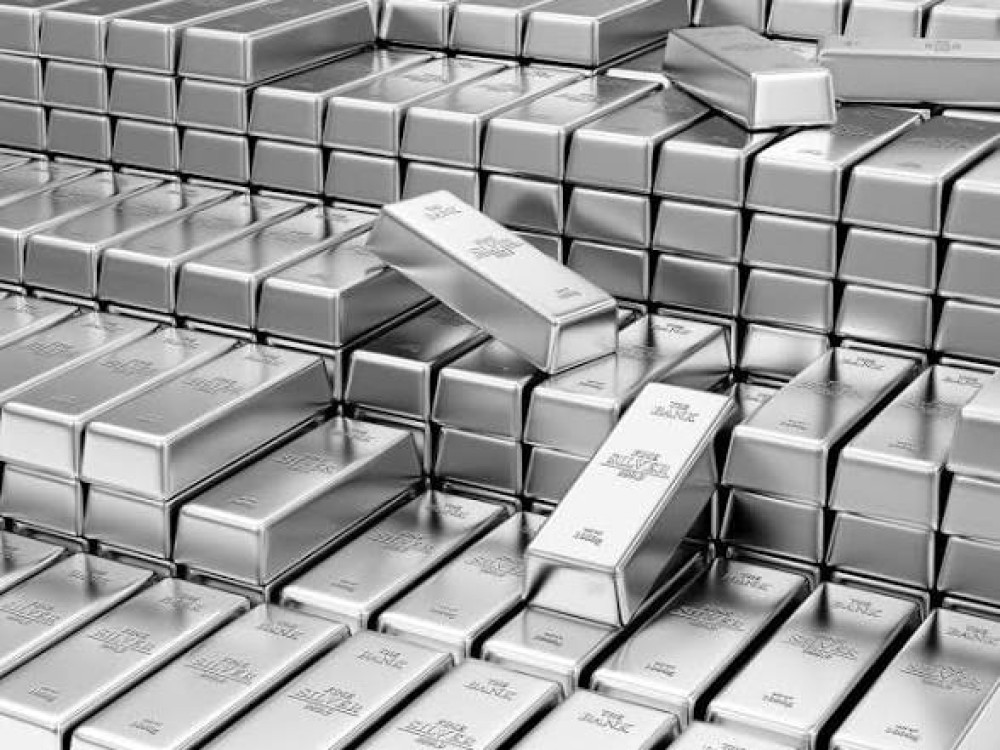

Morocco has secured a place among the world's largest silver-producing nations, standing out as the only African country on a new global ranking of top silver producers compiled by Visual Capitalist.
According to the report, Morocco produced 12 million ounces of silver, equivalent to roughly 373 metric tonnes, placing it among a select group of countries that dominate global silver supply. Its inclusion shows the country's growing importance in a market that has become increasingly strategic as global demand for precious and industrial metals continues to rise.
Morocco's significance extends beyond Africa. The country dominates silver production across the Middle East and North Africa (MENA), accounting for approximately 95% of the region's total output and 86% of its silver consumption. It also contributes nearly half of Africa's overall silver production, making it the continent's undisputed leader in the sector.
Globally, however, Morocco remains a relatively small player compared to the industry's heavyweights. Mexico retained its position as the world's largest silver producer, mining 173 million ounces, or roughly one-fifth of global supply. Peru followed with 131 million ounces, while China ranked third with 113 million ounces.
Together, North and South America dominate global silver production, contributing 219 million and 246 million ounces, respectively. Despite silver being mined across every major region of the world, output remains heavily concentrated in a handful of countries, making them increasingly important to investors monitoring supply risks and market opportunities.
That importance has grown as the silver market continues to tighten. Global demand has exceeded supply for five consecutive years, creating persistent deficits and increasing pressure on existing producers to expand output. As industries ranging from electronics to renewable energy continue to drive consumption, countries with established silver reserves and mining capacity are expected to play an increasingly critical role in meeting future demand.





Comment on this Post
Comments (0)