
NEWS
PoliticsNigeria Targets July Gas Delivery to Abuja via $2.8 billion AKK Pipeline
By Emmanuel Oluwafemi Oniyide | 15th Apr 2026 | 10:40 AM
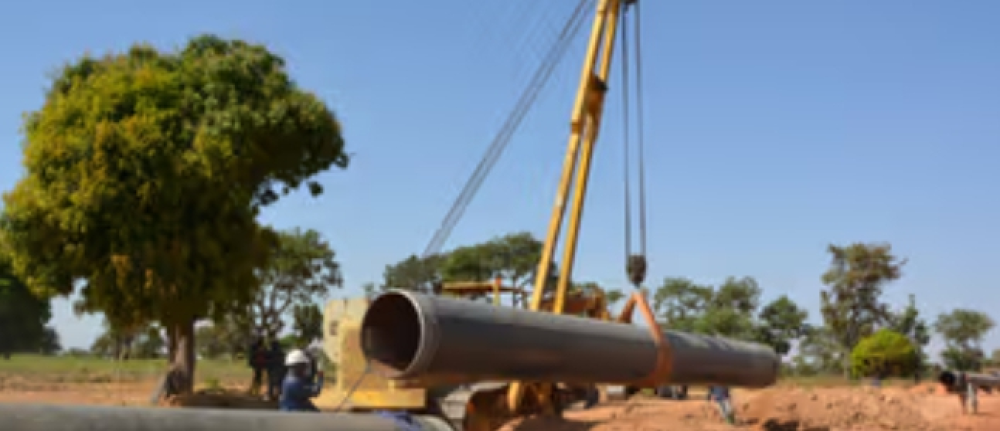

Nigeria is targeting July for the start of gas deliveries to Abuja through the long-delayed Ajaokuta–Kaduna–Kano (AKK) pipeline, in what could mark a turning point for the country's push to build a gas-based economy.
The update, provided by the Nigerian Upstream Petroleum Regulatory Commission (NUPRC) in its in-house publication, signals fresh momentum for a project that has faced repeated delays since it was first conceived in 2008.
"We're hoping that by July, gas will be delivered to Abuja through the AKK gas pipeline," a spokesperson for the regulator said.
The 614-kilometre pipeline is designed to transport more than 2.2 billion cubic feet of gas per day from Nigeria's southern producing regions to demand centres in the north, including Abuja, Kaduna and Kano. It is central to plans to expand electricity generation, support industries, and reduce reliance on diesel and fuel oil.
According to Reuters, which cited an energy lawyer involved in the project, construction is now more than 90 per cent complete, raising cautious optimism that the latest timeline may be met.
The AKK pipeline forms part of a wider effort to unlock Nigeria's vast gas reserves, estimated at over 210 trillion cubic feet—the largest in Africa—but long constrained by weak infrastructure and underinvestment. The project links with the Obiafu-Obrikom-Oben (OB3) pipeline, which supplies gas from the south into the national network.
Construction began in 2020 but has been slowed by funding constraints and technical challenges, particularly the crossing of the River Niger. That segment required complex horizontal directional drilling beneath the riverbed, one of the most difficult aspects of the project.
Financing has also been a hurdle. The $2.8 billion project is backed largely by Chinese lenders, with insurance cover provided by China Export and Credit Insurance Corporation for most of the debt, while the Nigerian Gas Company contributes equity.
Despite the renewed timeline, the project's history of missed deadlines continues to cast a shadow. Earlier targets set for 2023, late 2023, and the first quarter of 2025 were all missed, even as officials repeatedly signalled progress.
The July target now stands as a critical test of Nigeria's ability to deliver large-scale energy infrastructure, at a time when the government is doubling down on gas as a transition fuel. Under its "Decade of Gas" policy and the recently unveiled Gas Master Plan 2026, authorities are seeking to use gas to drive industrialisation, improve power supply, and stabilise the energy mix.
For Africa's largest gas holder, success on the AKK pipeline could reshape energy access in the north and strengthen investor confidence in the country's long-promised gas expansion strategy.





Comment on this Post
Comments (0)