
NEWS
BusinessSenator Oluremi Tinubu: A First Lady with Class, Compassion and Purpose
By Arabinrin Aderonke | 28th Jun 2026 | 6:23 PM
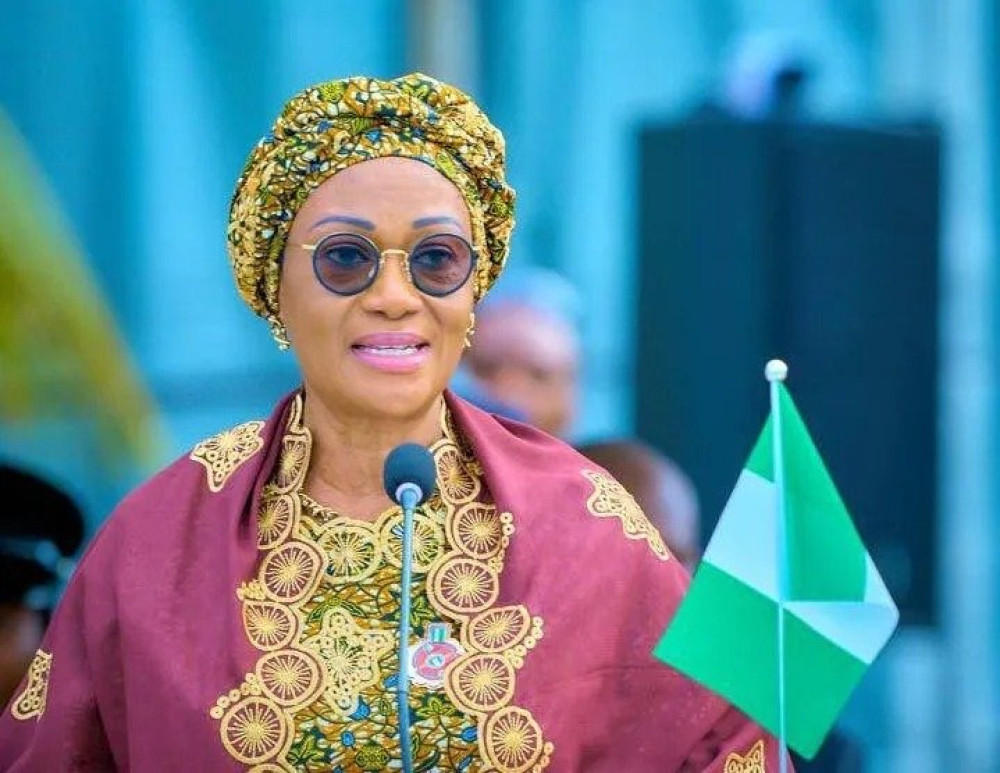

Having worked in the civil society space for years, I have seen different forms of government intervention projects across Nigeria. I have observed policies designed with good intentions but weak implementation. I have also seen programmes that generated headlines but created little real impact at the grassroots. This is why Senator Oluremi Tinubu’s approach stands out to me. Her interventions feel different, not simply because she is the First Lady, but because her work reflects something many public office holders struggle to sustain, with consistency, structure and genuine grassroots connection.
In my experience, meaningful intervention is not measured by media attention or public relations. It is measured by whether ordinary people can feel the impact in their daily lives. Can a widow restart her business? Can a market woman feed her children? Can a young girl stay in school? Can vulnerable households find hope again? These are the questions that matter. So far, Senator Oluremi Tinubu has shown a practical understanding of these realities, and that understanding has shaped her approach to service.
In just three years as First Lady, Senator Oluremi Tinubu has built a strong reputation around people centered interventions through the Renewed Hope Initiative, with focus on women, children, vulnerable groups, and low income households. Across the country, millions of women have benefited from grants, business support tools, food relief, and direct and indirect intervention packages. In states including Oyo, Niger, Ekiti, Kwara, Nasarawa, and Anambra, FCT, etc., hundreds of women have received grants and business equipment to support small businesses and improve household income.
What makes this remarkable is not only the scale of intervention but also the financial commitment behind it. Through various programmes under the Renewed Hope Initiative, billions of naira have been committed to empowerment, education support, healthcare interventions, and social welfare. From recapitalisation grants for women traders to food distribution programmes and support packages for vulnerable households, the scale of intervention reflects serious commitment and deliberate action.
Her intervention projects extend beyond economic empowerment. Senator Oluremi Tinubu has consistently championed causes affecting women and children. Her support for maternal and child healthcare, girl child development, widows, persons living with disabilities, and vulnerable children reflects a broad understanding of development. Her Free to Shine campaign, focused on eliminating mother to child transmission of HIV, syphilis, and hepatitis, is another strong example of purposeful advocacy with long term social benefits.
From a policy perspective, her interventions contribute to broader national goals such as poverty reduction, social protection, women’s inclusion, and grassroots economic development. Senator Oluremi Tinubu understands that economic empowerment is social policy. When women are empowered financially, the impact extends beyond individual income. It improves household welfare, strengthens family stability, supports children’s education, and reduces poverty at the community level.
The long term benefits of this approach are significant. A woman who receives business tools or financial support today can build a stable business tomorrow. That business can support a household, create jobs, and improve resilience within a community. This is how sustainable development begins, one household at a time. Her interventions show a clear understanding that development is not only about infrastructure but also about strengthening people and improving livelihoods.
Another remarkable quality is her visibility and accessibility. Despite the security challenges facing the country, Senator Oluremi Tinubu has remained active in women focused events, grassroots engagements, and intervention programmes across Nigeria. Her years of experience as former First Lady of Lagos State, three term Senator, mother, mentor, and political leader have shaped her understanding of governance and public service. She brings class to office, but also purpose. She brings elegance, intelligence, and compassion.
Since Nigeria’s return to democracy in 1999, no First Lady has demonstrated the level of grassroots presence, structured intervention, and measurable impact that Senator Oluremi Tinubu has shown in just three years. Much of her work happens quietly, away from constant media attention, yet the impact remains visible in homes, markets, communities, and in the lives of women and children across Nigeria. That, perhaps, is the clearest mark of true leadership.
Arabinrin Aderonke Atoyebi is an award-winning investigative journalist; 2016 finalist, CNN Africa Journalist Award; Peace and good governance advocate.





Comment on this Post
Comments (0)