
NEWS
PoliticsSimandou Ramp-Up Offsets Iron-Ore Supply Cuts Elsewhere, Says Macquarie
By Emmanuel Oluwafemi Oniyide | 24th Nov 2026 | 9:57 AM
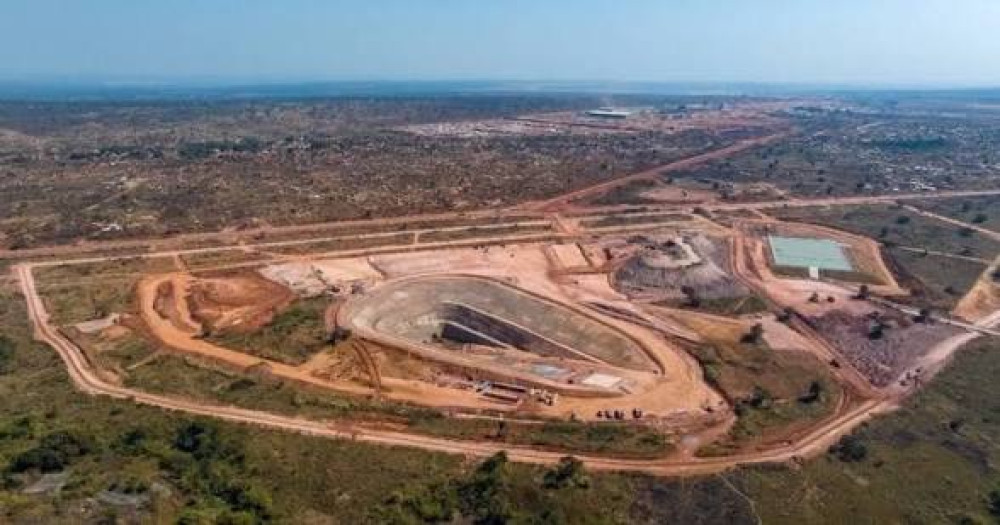

The ramp-up at Guinea’s massive Simandou iron-ore project has offset supply declines elsewhere as lower prices, high freight rates and diesel costs squeeze producers, according to Macquarie Group.
“Simandou has single-handedly supported seaborne volumes,” the bank said in a note by analysts including Florence Sun. If October shipment volumes are sustained, full-year exports could be about 28 million tons, weather permitting.
Iron-ore prices have retreated about 24% from a peak in May, as rising supply coincided with lacklustre demand, dipping below $90 a ton last month. UBS Group AG said in a note last week that as much as 170 million tons of production becomes loss-making below that level.
Macquarie estimated overall supply of the steelmaking ingredient will grow by about 14 million tons in 2026, while Chinese output will drop by 4.5%.
Two of Simandou’s mine blocks are owned by the China and Singapore-led Baowu Winning Consortium Simandou, while the other two are owned by Simfer, a joint venture between Rio Tinto Group and Chinalco.
Guinea exported 8.9 million tons of iron ore in the third quarter, up from 6 million tons in the previous three months, according to government data. Baowu-Winning accounted for 6.55 million tons, while Simfer shipped 2.16 million tons.
The data underscores Simandou’s growing influence on the global iron-ore market. The project, one of the largest mining developments in the world, is adding significant new supply at a time when prices are under pressure and higher-cost producers are being squeezed.
If the current pace of shipments is sustained, Simandou could become a major swing factor in seaborne iron-ore trade, offsetting declines elsewhere and reinforcing Guinea’s position as a significant producer.





Comment on this Post
Comments (0)