
NEWS
PoliticsSouth Africa, DRC Dominate Supply of Two Metals Now Hitting Multi-Year Highs
By Emmanuel oniyide | 18th Mar 2026 | 6:52 AM
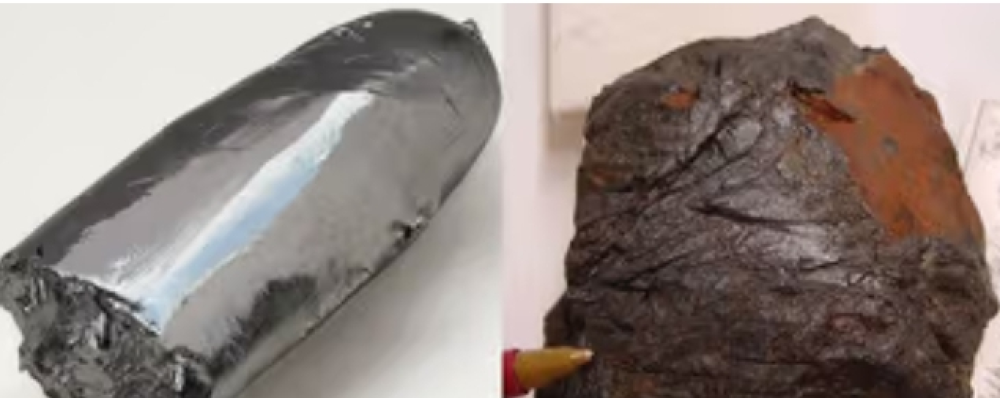

Prices for ruthenium and tantalite, two critical metals essential for electronics, aerospace, and artificial intelligence (AI) technologies, have surged to multi-year highs as global demand intensifies and supply remains tightly constrained.
South Africa dominates global ruthenium production, while the Democratic Republic of Congo (DRC) leads in tantalum supply. Both nations have emerged as critical players in the market for these precious metals, with prices soaring amid growing demand from AI applications and significant supply disruptions.
Ruthenium, a minor metal within the platinum-group metals (PGMs), has climbed to $1,750 per ounce in March, a sharp increase from $560 a year earlier, according to LSEG data citing Johnson Matthey benchmark prices.
Analysts say supply is structurally constrained because ruthenium is produced only as a by-product of PGM mining, an industry largely concentrated in South Africa. The metal is increasingly sought after for use in electronics, semiconductors, and chemical processing, with AI-driven data storage and cloud computing further boosting demand. Wilma Swarts, director of PGMs at Metals Focus, predicts a significant 203,000-ounce deficit by 2026, highlighting the mounting supply pressures facing the market.
Tantalite Supply Hits Turbulence
Tantalite, the primary source of tantalum used in capacitors, aerospace components, and nuclear technology, has reached its highest price level in more than two decades. European prices now stand at $200–$210 per pound, marking a 90% jump year-to-date.
The supply concerns follow a landslide at the Rubaya columbite–tantalite mine in eastern DRC. Located in rebel-controlled territory and operating outside formal due diligence systems, the mine's shutdown is nonetheless disrupting exports, much of which ultimately ends up in China, the world's top consumer, according to market sources. The U.S. Geological Survey notes that the DRC produced more than 50% of global tantalum output in 2025, with Rwanda also remaining a significant producer.
Sian Morris, a senior analyst at Argus, told Reuters that demand is rising as AI data centers and industrial gas turbines increasingly require tantalum-containing components.
Compounding the ruthenium supply crunch is declining PGM output in South Africa. Statistics South Africa reports a 3.8% year-on-year drop in PGM production in January 2025, a decline attributed to limited investment in new mines over the past two decades, according to Northam Platinum.
Analysts warn that both metals are becoming critical to the global tech supply chain, with Africa—particularly South Africa and the DRC—positioned as a decisive source of supply.
As AI adoption accelerates and supply pressures persist, prices are expected to remain elevated, cementing the continent's strategic importance in supplying the next generation of technology minerals.





Comment on this Post
Comments (0)