
NEWS
PoliticsTanzania Stocks $3.68 Billion Gold Reserve in 18 Months
By Emmanuel Oluwafemi Oniyide | 9th Jul 2026 | 9:12 AM
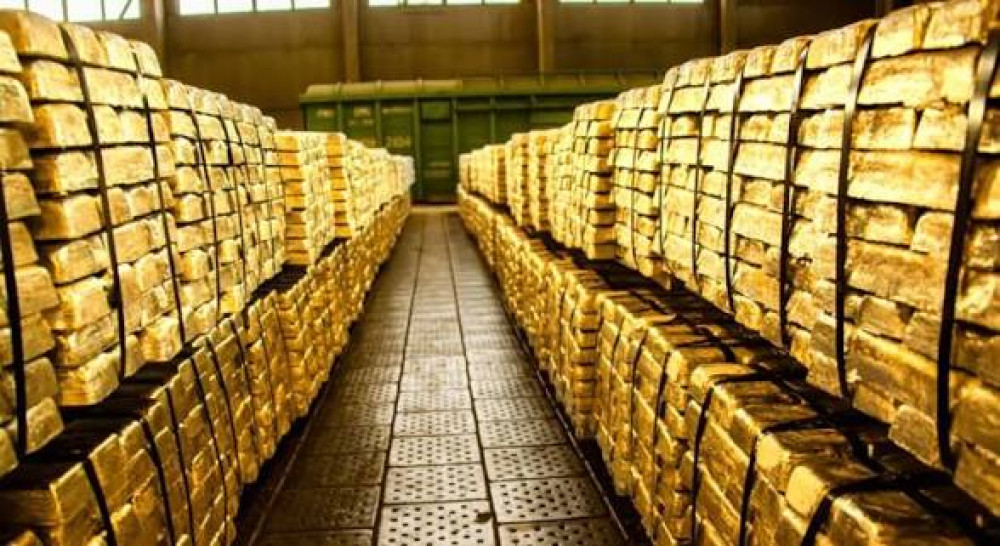

Tanzania has significantly boosted its gold reserves, acquiring over 28 metric tons in the last 18 months as part of a campaign to enhance foreign reserves and stabilize the country's currency.
Emmanuel Tutuba, Governor of the Bank of Tanzania, stated that the gold purchased is now worth around $3.68 billion at current market prices, emphasizing the growing importance of gold in the country's reserve management policy.
The central bank chief made the announcement at an International Monetary Fund-World Bank conference in The Gambia, according to a statement issued by Tanzania's Ministry of Finance, as seen on Reuters.
The gold-buying program follows a wider trend among central banks across the world, several of which have expanded gold purchases in recent years to protect against inflation, geopolitical instability, and currency fluctuations.
This trend was exemplified in March when the central bank of Uganda announced the commencement of its domestic gold purchasing program.
Tanzania is one of Africa's top ten gold producers, making the plan especially attractive as the government uses one of its most precious natural resources to strengthen economic stability.
According to Tutuba, the project has resulted in broader economic advantages beyond reserve buildup. Since the initiative's inception, mineral dealers and small-scale miners have created almost 4,000 new bank accounts, contributing to the formalization of the mining sector.
The central bank governor, following last week's monetary policy decision, noted that Tanzania has around $6 billion in foreign exchange reserves, which could cover 4.3 months of imports.
In June 2025, Tanzania initiated a program intended to aid in the restoration of its sovereignty over its gold reserves by requiring large-scale miners to process and trade at least 20% of their product locally.
At the time, Tanzania's mining authority announced a regulation mandating gold exporters to give at least 20% of the commodity to the Central Bank of Tanzania (BoT). This strategy directly targets mining behemoths such as AngloGold Ashanti Plc and Barrick Gold Corporation, the world's second-largest gold producer.
The strategy has allowed Tanzania to increase its domestic mining sector while decreasing its reliance on international markets to create reserve assets. By the end of the year, the country boasted gold holdings of 3.3 trillion shillings ($1.3 billion).
By February 2026, Tanzania announced plans to sell part of its gold reserves to help fund infrastructure projects given the reduction in donor support.
President Samia Suluhu Hassan instructed the central bank to proceed with a partial sale of its gold holdings, according to Kitila Mkumbo, Minister of State in the President's Office. He did not disclose how much gold would be sold.





Comment on this Post
Comments (0)