
NEWS
PoliticsTop 10 African Countries with Lowest Fuel Prices in March 2026
By Emmanuel oniyide | 16th Mar 2026 | 11:42 PM
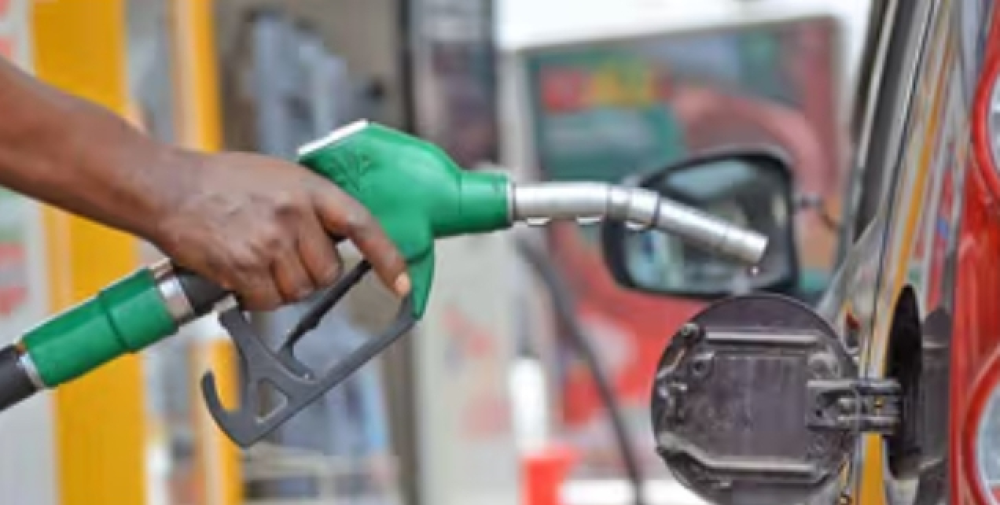

In a period marked by geopolitical turmoil and volatile oil markets, African nations that maintain relatively low fuel prices stand to benefit significantly.
Here are the African countries with the lowest fuel prices in March, according to data from Global Petrolprices.
· Fuel prices in Egypt, Nigeria, Ethiopia, and Liberia increased compared to last month.
· Fuel prices in Algeria, Tunisia, and Niger decreased slightly, bucking the trend of the rising global average.
· Fuel prices in Libya, Sudan, and Angola remained unchanged from February.
· The global average fuel price rose from $1.30 per liter last month to $1.35 per liter this month.
As global oil prices fluctuate due to conflicts in critical energy corridors and supply uncertainties, countries that manage to stabilize or lower local fuel costs gain a crucial economic and social advantage.
One of the most immediate benefits of lower fuel prices is the reduction of inflationary pressure. Fuel is an essential input for transportation, industry, and agriculture. When gasoline and diesel prices are low, the cost of transporting goods and services remains relatively stable, helping to curb sharp increases in food prices and other essential commodities.
In regions where inflation already strains household budgets, affordable fuel can play a key role in stabilizing the overall cost of living.
Low gasoline prices also enhance the competitiveness of local industries. Manufacturing, logistics, and agricultural production all depend heavily on energy.
For many African countries, transportation costs account for a significant portion of daily household expenditure. Affordable fuel lowers these costs, enabling workers to commute more cheaply and allowing families to direct more of their income toward food, education, and healthcare.
Furthermore, in sectors like agriculture, mining, and logistics—which rely on fuel-powered machinery and vehicles—lower prices directly boost output and profitability.
From a geopolitical standpoint, stable and low gasoline prices can insulate economies from global shocks.
Conflicts involving major oil producers or disruptions to key shipping routes often trigger sudden spikes in crude oil prices. Nations that can keep domestic fuel costs relatively low—through local refining capacity, strategic reserves, or efficient energy management—are better positioned to shield their populations from these volatile international market shifts.





Comment on this Post
Comments (0)