
NEWS
PoliticsUS Eases Cuba Sanctions, Allowing Conditional Venezuelan Oil Imports for Private Sector
By Emmanuel oniyide | 27th Feb 2026 | 9:12 AM
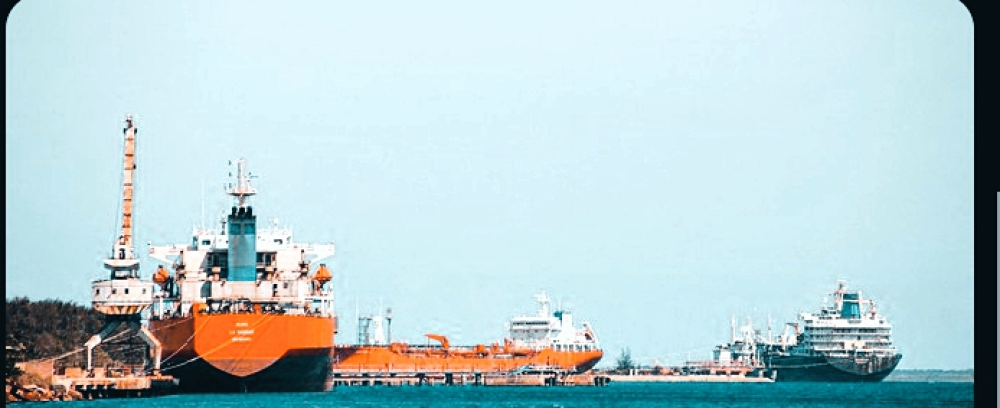

In a notable shift in its Cuba policy, the United States announced on Wednesday that it will permit the conditional sale and resale of Venezuelan-origin oil to the island nation.
The move is designed to alleviate critical shortages by channeling fuel directly to the Cuban people and the country's nascent private sector, while maintaining the core framework of existing sanctions.
The new guidance, issued by the U.S. Department of the Treasury’s Office of Foreign Assets Control (OFAC), establishes a "favourable licensing policy." This allows companies to apply for specific authorization to resell Venezuelan oil for commercial and humanitarian purposes within Cuba.
To be eligible for approval, all transactions must be structured to directly benefit the Cuban people or private enterprises.
The policy explicitly prohibits any involvement or benefit to the Cuban government, military, intelligence services, or other state institutions, ensuring that the relief is targeted away from the ruling regime.
This recalibration comes in response to a worsening humanitarian situation following a strict blockade implemented in early January. That measure effectively severed Cuba's access to its primary energy source—a steady supply of Venezuelan crude and fuel that the island had depended on for over 25 years under a bilateral energy pact.
The subsequent suspension of these shipments, coupled with Mexico’s halt of alternative supplies earlier in the year, plunged Cuba into a deepening energy crisis characterized by widespread blackouts, paralytic transportation systems, and severe disruptions to agriculture and healthcare services.
While the new policy offers a potential pathway to ease some of the hardship, it does not signify a lifting of U.S. sanctions on either Cuba or Venezuela. The core restrictions remain firmly in place.
The United States has framed this as a targeted humanitarian and commercial relief mechanism. However, analysts urge caution, noting that the policy's practical impact is uncertain. Its success hinges on whether private sector actors in Cuba can navigate the formidable challenges of securing financing and managing the logistics of importing and distributing fuel under the strict OFAC licensing framework—a particularly daunting prospect given Cuba's current economic struggles.
Regional leaders in the Caribbean have voiced concerns that Cuba's acute fuel shortage could destabilize the broader region, adding pressure on Washington to carefully calibrate its sanctions strategy.
This conditional opening to Venezuelan oil sales reflects a nuanced attempt to balance geopolitical objectives with the pressing humanitarian needs on the island.





Comment on this Post
Comments (0)