
NEWS
PoliticsU.S. Not Yet Ready to Escort Oil Tankers Through Strait of Hormuz, Says Wright
By Emmanuel oniyide | 13th Mar 2026 | 10:43 AM
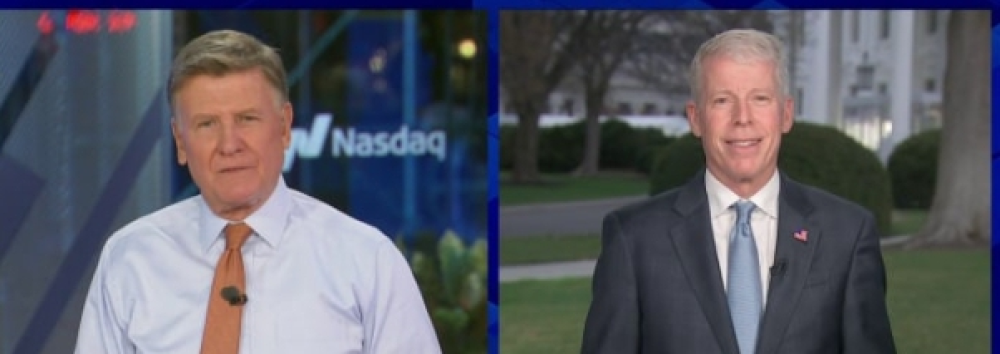

The U.S. Navy is not yet ready to begin escorting oil Tankers through the Strait of Hormuz, Energy Secretary Chris Wright has told CNBC.
"It'll happen relatively soon, but it can't happen now," Wright said. "We're simply not ready. All of our military assets right now are focused on destroying Iran's offensive capabilities and the manufacturing industry that supplies them."
Wright said it is likely that the Navy will be in a position to escort tankers by the end of this month. "I'll be over at the Pentagon later today—that is what the military is working on," the Energy secretary told CNBC's "Squawk Box."
Brent crude oil, the international benchmark, touched $100 per barrel earlier Thursday as attacks on commercial vessels in the Persian Gulf continued this week. Brent was last trading about 7% higher at $98.43.
Wright's comments come after a post on his social media account on Tuesday wrongly claimed that the Navy had already escorted a tanker through the Strait.
The post was quickly deleted, but not before it sent oil prices plunging more than 17% at their lows that day.
President Donald Trump promised on March 3 that "the United States Navy will begin escorting tankers through the Strait of Hormuz, as soon as possible."
Tanker traffic through the Strait remains at a standstill as ship owners fear attacks by Iran. According to analyses from consulting firms Rapidan Energy and Wood Mackenzie, the closure of the Strait has triggered the largest oil supply disruption in history.
The Strait is the only entry and exit route for oil from the Persian Gulf. Before the war, about 20% of global petroleum consumption passed through this narrow waterway.
More than 30 countries agreed Wednesday to inject 400 million barrels of oil from their stockpiles into the market in an effort to address the massive disruption. The U.S. will release 172 million barrels from the Strategic Petroleum Reserve as part of that effort.
It is the largest release of emergency stockpiles in history, but the action has so far failed to calm the oil market. It remains unclear how long the war will last and when oil and gas flows through the Strait will return to normal. The Trump administration has sought to reassure the market that the war will end soon.
"This is an operation that will take weeks, not months," Wright told CNBC.
However, Iran has rejected U.S. calls to surrender, warning that it aims to spike oil prices to $200 per barrel.





Comment on this Post
Comments (0)