
NEWS
PoliticsWomen Sifting Lithium Waste in Nigeria Earn $15 a Week as $34 Billion Industry Booms
By Emmanuel Oluwafemi Oniyide | 21st Nov 2026 | 11:55 AM
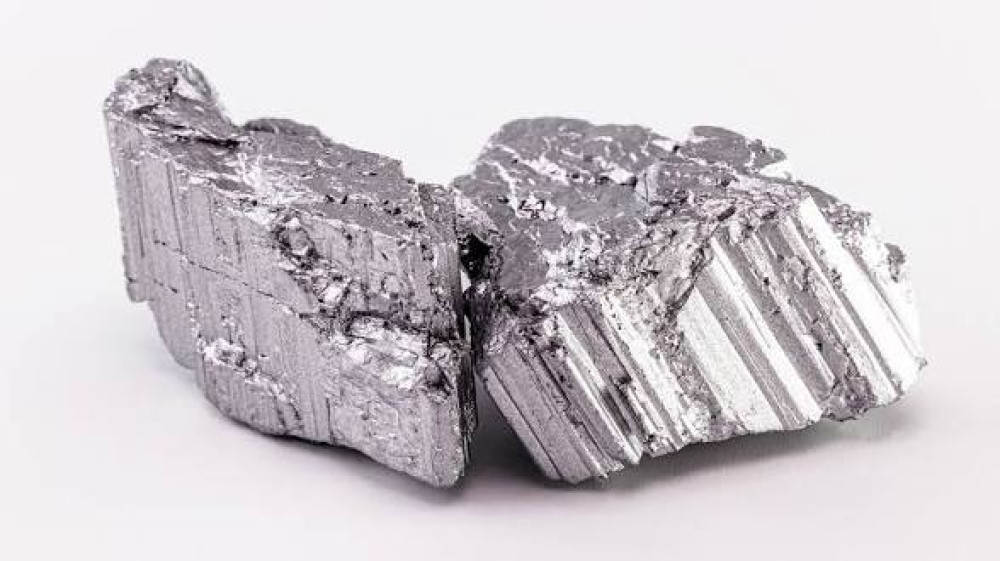

Dozens of women sift through waste left behind by lithium miners in Nigeria, digging for traces of ore to resell, earning about $15 a week even as the country’s lithium industry is estimated to be worth more than $34 billion.
The women work at informal dump sites near lithium mining and processing operations, recovering residual ore from discarded material. They sell what they find to middlemen and small-scale traders, according to reports in collaboration with journalist Light Oriye Tamunotonye.
The contrast between the scale of Nigeria’s lithium wealth and the returns for the women at the bottom of the supply chain is stark. While the industry has attracted billions of dollars in investment — including $1.3 billion in Chinese processing plants alone — the women sifting through waste take home a fraction of that value, with no formal employment protections, safety equipment or health coverage.
The work is physically demanding and hazardous. The women are exposed to silica-rich dust and other mining residues, often without masks or protective gear.
Prolonged exposure to such dust can cause respiratory diseases, including silicosis. The waste piles may also contain heavy metals and other contaminants.
Their earnings of about $15 a week place them far below Nigeria’s national minimum wage of ₦70,000 per month (approximately $45). Many of the women are the primary earners for their households, using the income to buy food, pay school fees and meet basic needs.
Nigeria’s lithium boom has been promoted as an opportunity to diversify the economy and create jobs, particularly in Nasarawa State, where a $250 million processing plant was inaugurated in July 2026.
But the benefits have been uneven. While investors and processing companies capture the bulk of the value, artisanal miners and waste pickers remain in the informal sector, with limited access to formal markets, financing or legal protection.
The Federal Government has said it wants to formalise artisanal mining and ensure local value addition. But for the women sifting through waste in Nasarawa, the lithium boom has so far delivered little more than a precarious livelihood — and a daily exposure to the hazards of an industry whose wealth remains out of reach.





Comment on this Post
Comments (0)