
NEWS
PoliticsAfter Weeks Adrift, Russian Tanker Towed from Disaster
By Emmanuel oniyide | 27th Mar 2026 | 12:29 PM
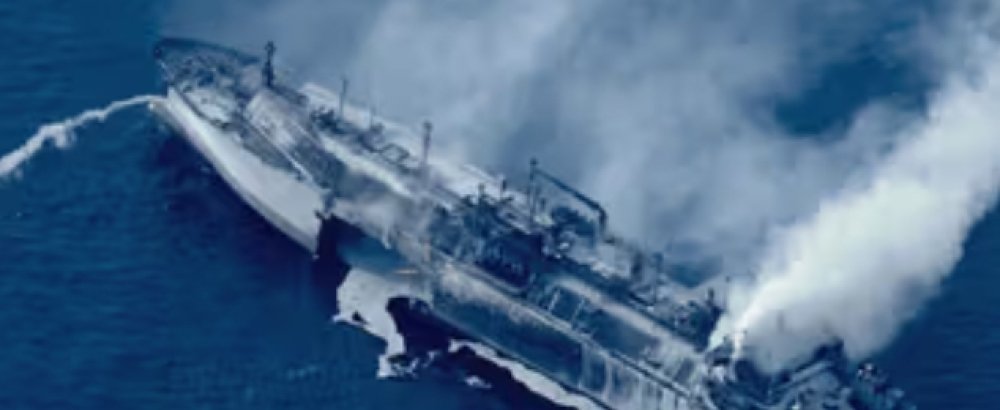

Libya has begun towing away a damaged Russian gas tanker that drifted for weeks in the Mediterranean, easing fears of a possible environmental disaster along its western coast.
The vessel, Arctic Metagaz, had moved dangerously close to the port city of Zuwara after being left without a crew earlier this month. Libyan authorities said the coast guard has now secured the tanker and started pulling it away from shore.
The ship had been carrying liquefied natural gas (LNG) from Russia's Arctic port of Murmansk when it was hit in early March. Russia blamed Ukrainian naval drones for the attack, which left the vessel badly damaged and forced its crew to abandon it at sea.
Since then, the tanker had drifted uncontrolled between Malta and Libya, pushed by wind and currents. Its slow movement towards land triggered concern across the region, with southern European countries warning it could cause a major spill in one of the world's most sensitive marine environments.
Italy, France and Spain, along with several other European Union members, had described the situation as an "imminent and serious risk of a major ecological disaster", putting pressure on authorities to act quickly.
Libya's government said the situation is now under control. The National Oil Corporation (NOC), which is leading the technical response, said there has been no leakage from the vessel so far and no immediate sign of environmental danger.
Video released by government media showed a naval vessel towing the damaged tanker using heavy cables, marking the first clear sign of progress after weeks of uncertainty. Transport Minister, Mohamed Al-Shahoubi said the NOC would also oversee the next phase, including safely unloading the tanker's cargo.
Libya is working with Russian and Maltese authorities to manage the operation and ensure safe navigation in the area. Officials have not yet said where the vessel will be taken, and the condition of its cargo remains unclear. Earlier estimates suggested it was carrying large quantities of fuel, alongside LNG that may have partly dissipated.
The incident has drawn wider attention because of the vessel's reported links to Russia's "shadow fleet"—ships used to move oil and gas outside Western sanctions imposed after the Ukraine war. These vessels often operate with less scrutiny, increasing the risk of accidents at sea.
While the immediate danger appears to be easing, the episode shows how the war in Ukraine is creating new risks far beyond the battlefield, including threats to key global shipping routes and fragile marine ecosystems. For now, Libya faces the delicate task of securing the damaged tanker and preventing any spill, in an operation that remains complex despite early signs of success.




Comment on this Post
Comments (0)