
NEWS
PoliticsBurkina Faso Opens First Gold Refinery, Moves to Capture Value at Home
By Emmanuel Oluwafemi Oniyide | 29th Sep 2026 | 10:50 AM
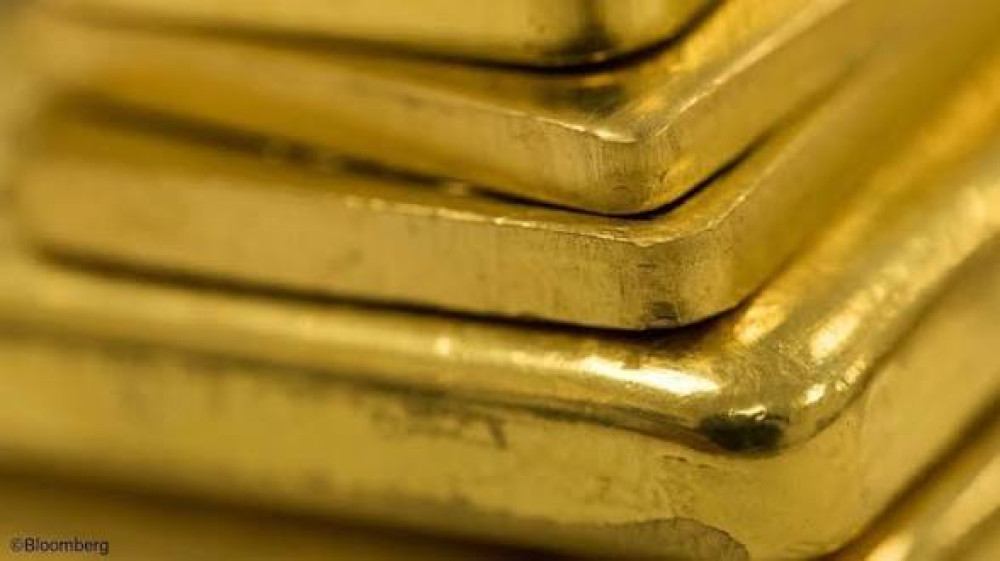

Burkina Faso has officially joined the ranks of African nations refining their own gold, with President Ibrahim Traoré inaugurating the country's first national gold refinery, RAFFINOR-BF, in Ouagadougou on Monday, September 28, 2026.
The state-controlled facility, built at a cost of 11 billion CFA francs (approximately $19 million), has an initial capacity to process 164 tonnes of gold annually. A planned second phase will expand that capacity to 515 tonnes per year, positioning the refinery to absorb the entirety of Burkina Faso's national gold production.
For decades, Burkina Faso, one of Africa's top gold producers, exported its gold in raw, doré form for refining abroad, capturing only a fraction of the metal's ultimate value. The new refinery is designed to change that.
"The gold produced in Burkina will now be refined in Burkina," the presidency stated, describing the inauguration as a "historic milestone in its quest for economic independence". President Traoré, who has pursued an agenda of national sovereignty since taking power in 2022, said the facility reflects the country's determination to master its extractive industry.
"Our ambition is no longer to be a country that simply extracts and ships its raw materials abroad," Traoré said. "We want to refine all our metals locally... we want to have the entire value chain here".
The refinery is expected to produce gold with a purity of 99.99%, meeting the international "Good Delivery" standard. The facility includes a foundry, an analysis laboratory, secure storage, and a jewellery-making unit, and is expected to generate more than 100 direct jobs and approximately 5,000 indirect jobs.
While the inauguration marks a significant political and industrial milestone, the refinery's commercial success will depend on securing sufficient feedstock. Burkina Faso produced over 94 tonnes of gold in 2025, including nearly 43 tonnes from artisanal and semi-mechanized mining. The country's 2024 Mining Code requires industrial mining permit holders to process or add value to part of their production domestically, and an April 2025 decree specified how that requirement should be applied.
However, the refinery will still need to secure supply from major industrial mines and channel artisanal gold through state-managed systems. Burkina Faso is not alone in building local refining capacity — Ghana, Guinea, Mali and Côte d'Ivoire have similar projects, which could intensify competition for feedstock.
Burkina Faso's move reflects a broader shift across Africa, where countries are increasingly seeking to capture more value from their mineral resources rather than exporting them raw. The new refinery joins facilities in Mali and Ghana, which already operate their own gold refineries.
The inauguration comes as gold prices have hit record highs in recent months, making the trade increasingly lucrative — and the incentives for smuggling and illicit trafficking correspondingly stronger. Burkina Faso suspended exports of gold from informal mining in 2024 in a bid to better organize the sector, with Traoré warning that vast quantities of gold were leaving the country fraudulently and helping to fuel terrorism.
The refinery's management has expressed ambitions beyond Burkina Faso's borders, positioning RAFFINOR-BF as a potential regional reference point for gold and precious metals refining in West Africa.





Comment on this Post
Comments (0)