
NEWS
PoliticsGhana's Gold Exports Hit $20.2 Billion
By Emmanuel Oluwafemi Oniyide | 14th Aug 2026 | 9:13 AM
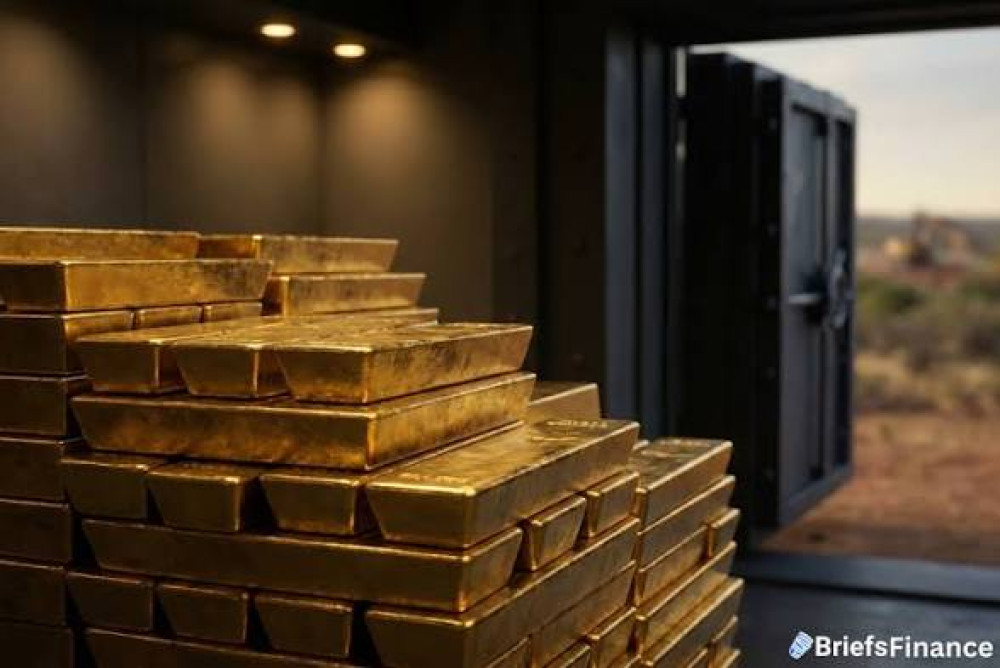

Ghana's gold export earnings surged to a record $20.2 billion in 2025, more than doubling the previous year's $10.3 billion and cementing the country's position as Africa's largest gold producer.
The West African nation produced six million ounces of gold in 2025, widening its lead over regional competitors Mali and Burkina Faso, which produced 48.2 tonnes and 94 tonnes respectively. According to a report released on August 11, 2026, by the Ghana Statistical Service (GSS), gold accounted for 63.1% of the country's merchandise exports, up sharply from 39% in 2004.
The GSS report, "Ghana's Merchandise Trade, 2004–2025: Two Decades in Review," showed that gold's $20.2 billion in earnings far exceeded the combined $7.9 billion from cocoa and crude oil. Cocoa exports generated $4.2 billion while crude oil contributed $3.7 billion.
The record performance was driven largely by a surge in artisanal and small-scale mining, which rose by more than 60% in 2025 and overtook large-scale producers for the first time.
According to the Ghana Chamber of Mines, small-scale gold production climbed from 1.9 million ounces in 2024 to 3.11 million ounces in 2025, accounting for 52.4% of national output.
A key factor behind the growth was the creation of the Ghana Gold Board (GoldBod) in 2025. The agency centralised the buying, assaying and export of gold from artisanal miners while restricting foreign traders from participating directly in the domestic small-scale gold market.
GoldBod channelled more than 100 tonnes of small-scale gold into formal exports, generating over $10 billion in foreign exchange.
Presenting the GSS report in Accra, Government Statistician, Dr. Alhassan Iddrisu warned that the country's growing dependence on a single commodity carries significant risks. "Gold is our anchor, but at the same time it is our greatest exposure," he said. "When one product carries an economy, a swing in its world price is felt by everyone, from the national treasury to traders and households".
Mali and Burkina Faso have pursued different strategies to benefit from their gold sectors. Mali tightened its mining code and increased taxes, recovering about $1.2 billion in mining-related arrears, though disputes with operators contributed to a decline in industrial production in 2025. Burkina Faso has pursued greater state ownership, expanding the role of state miner, SOPAMIB and taking control of several mining assets.
Ghana has since extended its formalisation strategy to large-scale producers. From July 2026, mining companies must sell 30% of their output domestically, up from 20%, to strengthen reserves and retain more value locally.
The increase in gold earnings has supported Ghana's economic recovery following its 2022 debt crisis. The country entered a $3 billion IMF programme in 2023. On July 27, 2026, the IMF Executive Board completed the sixth and final review of the programme, unlocking a final disbursement of approximately $371 million.





Comment on this Post
Comments (0)