
NEWS
PoliticsMitigate Effect of Subsidy Removal with CNG Buses for MDAs, Civil Servants, Atoyebi Urges Tinubu
By Mercy Omotosho | 14th Aug 2026 | 9:16 AM
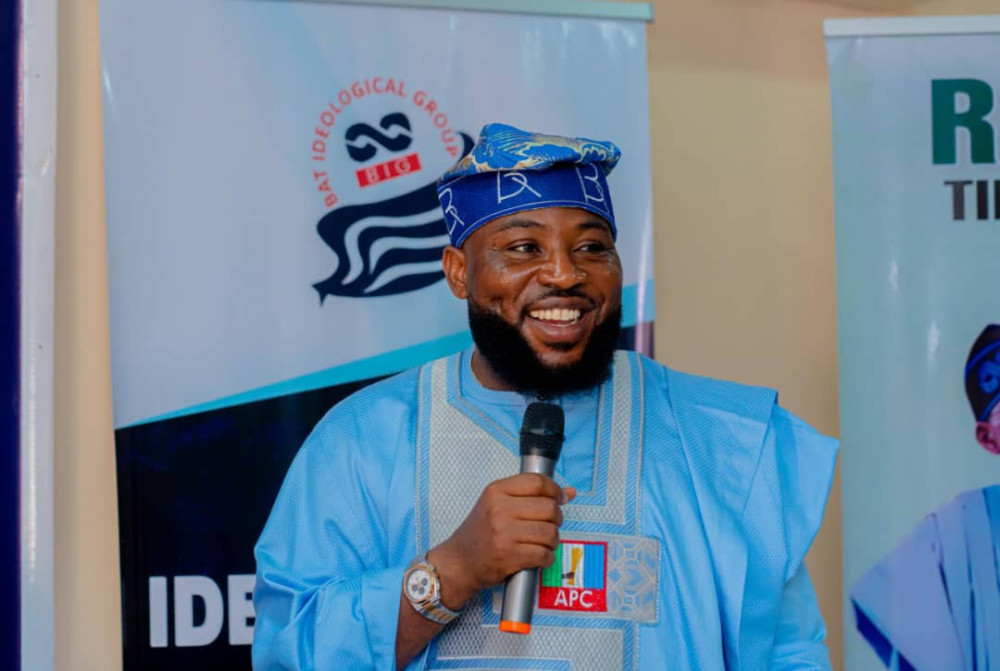

Comrade Bamidele Atoyebi, convener of the Bola Ahmed Tinubu Ideological Group (BAT-IG) has urged President Bola Ahmed Tinubu to urgently provide Compressed Natural Gas (CNG) buses for federal ministries, departments and agencies (MDAs) as part of measures to reduce the rising cost of transportation and ease the economic burden on civil servants.
Atoyebi made the call following a series of encounters with federal workers in Abuja, which he said exposed the severity of transportation challenges facing civil servants despite their regular salaries.
According to him, the experience began on Wednesday, August 12, 2026, when he visited the National Broadcasting Commission (NBC) to obtain a licence for an upcoming media and podcast studio.
Atoyebi said that while at the NBC, he met staff members who complained that transportation costs were consuming a significant portion of their salaries. One of them, lived in Kuje, where the cost of commuting to work had become increasingly difficult to bear.
He said another staff member, an Assistant Director, also disclosed that although she owned a car, the cost of fuel had made it difficult for her to drive to work.
The complaints prompted Atoyebi to propose that CNG buses be provided for NBC workers, initially focusing on junior staff and subsequently extending the initiative to senior employees.
He said he instructed his staff to prepare a letter to the Executive Chairman of the Presidential Compressed Natural Gas Initiative, Ismail Ahmed, seeking the provision of CNG buses for NBC workers from managerial level and below.
Atoyebi who is the Chairman of the mobilisation committee for Igbomina indigenes in Abuja, recalled that, later that day, he discussed the issue with the Chief Medical Director of a military hospital located within an Army barracks, who raised concerns about the transportation difficulties faced by the hospital’s workers.
According to Atoyebi, the Chief Medical Director appealed for similar transportation support for the hospital’s workers, saying their salaries were barely sufficient to meet their basic needs. He consequently decided to include the workers in his proposed CNG transportation intervention.
A third encounter occurred later that afternoon when a man who works around the Senate building, contacted Atoyebi for financial assistance to return home.
Atoyebi said these experiences reinforced an earlier position attributed to Dr David Oyedepo, who, according to him, had proposed measures to President Tinubu aimed at cushioning the effects of fuel subsidy removal by reducing transportation costs.
He said Oyedepo’s argument was that lowering transportation costs would have a ripple effect on other areas of the economy because transportation influences the cost of food, goods and services.
The Convener also referenced recent comments by Professor Peter Kpakol on an Arise TV morning programme, where he said there was a need for government to reduce transportation costs and expressed support for the CNG initiative.
“All these people cannot be wrong. The President must act now,” Atoyebi said.
He therefore called on President Tinubu to expand the CNG initiative beyond individual vehicle conversion and make affordable staff transportation a deliberate government policy.
Atoyebi proposed that CNG buses should be made available to federal MDAs, particularly for workers who cannot afford the increasing cost of commuting to work. He also recommended the establishment of CNG conversion centres across federal ministries and other government locations for civil servants who wish to convert their vehicles from petrol to CNG.
He said the proposal should not be limited to federal institutions, urging the President to make affordable transportation a policy priority for state governors and local government chairmen.
Atoyebi argued that with thousands of government institutions and workers across the country, transportation should be treated as a national emergency requiring coordinated intervention.
He maintained that providing affordable public transportation for civil servants would not only reduce the pressure on workers’ salaries but could also help improve productivity, punctuality and morale within the public service.
Atoyebi therefore urged the President to make affordable transportation for government workers a policy priority at the federal, state and local government levels. He acknowledged the Federal Government’s existing agreement with the National Union of Road Transport Workers (NURTW) and expressed appreciation for the CNG buses already provided, but stressed that government should first ensure that its own workers are adequately supported and comfortable before extending such interventions to other private operators. He said reducing the transportation burden on government workers would improve their welfare, morale and productivity.
The proposed intervention, he said, would also complement the government’s existing CNG policy by ensuring that its benefits reach workers who may not personally own vehicles or have the financial capacity to convert their vehicles.
Atoyebi concluded that reducing transportation costs could provide a practical form of economic relief to Nigerian workers, particularly at a time when rising transport fares continue to erode household incomes.
The proposal is therefore for the Federal Government to move beyond encouraging CNG adoption and directly deploy CNG-powered buses across MDAs while expanding conversion infrastructure nationwide to make affordable transportation accessible to workers.
Comrade Bamidele Atoyebi is the convener of BAT Ideological Group, National Coordinator of Accountability and Policy Monitoring and the publisher of Unfiltered and Mining Reports.





Comment on this Post
Comments (0)