
NEWS
PoliticsHydrogen Truck Fleet Presents 6 Million Ounce Platinum Opportunity
By Emmanuel Oluwafemi Oniyide | 3rd Sep 2026 | 7:58 AM
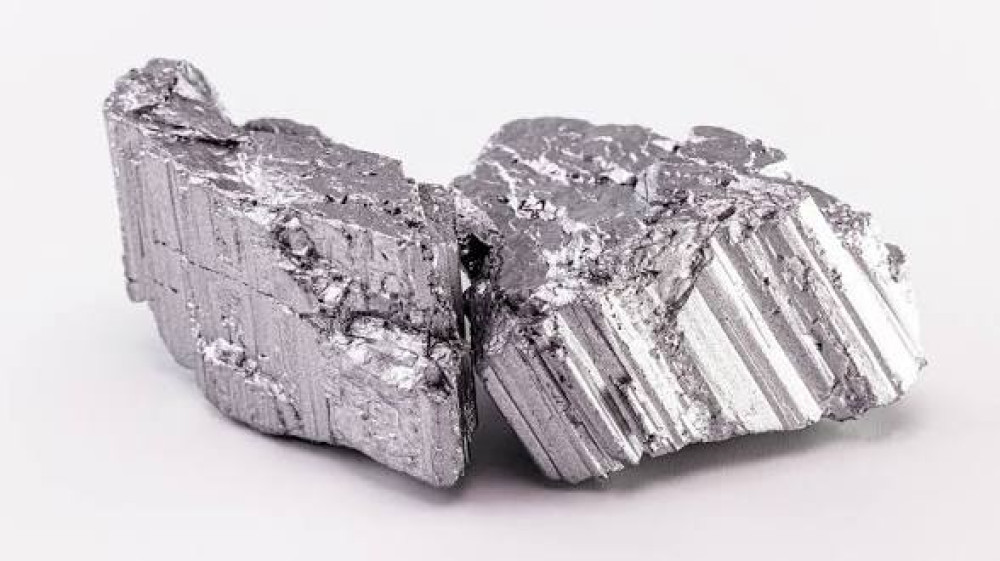

If 20% of the global truck fleet were to be equipped with current or near-current platinum loadings, it would represent a 6-million-ounce platinum opportunity from a demand perspective, according to Hilton Ingram, Executive Head of Marketing at Valterra Platinum.
Thousands of hydrogen fuel cell trucks are already operating across China, driven by producers, distributors, and users of low-cost hydrogen, Ingram said.
Speaking at Valterra's online and in-person media briefing on the platinum group metals value chain held in Rosebank, Ingram stated that hydrogen remains a key element in China's strategy due to its potential to reduce dependence on energy imports.
"We see industrial demand rising, particularly in China, especially in response to energy security concerns," he said.
These producers, distributors, and users of low-cost hydrogen are driving the current closed-loop hydrogen fuel cell mobility system in China, with the goal of entering a new era of open-loop systems that can be replicated globally. Ingram noted that a fundamental driver of hydrogen truck demand is China's desire to reduce its reliance on energy imports from other countries.
Ingram believes China is the most suitable country to establish low-cost hydrogen sources for refueling stations, which can then be replicated globally, with hopes of doing so in South Africa as well. While Valterra is collaborating with Sasol and other industry players to advance the hydrogen economy in South Africa, the challenge of establishing low-cost hydrogen sources at refueling stations is best addressed in China before being rolled out worldwide, he said.
"The good thing is that, on the hydrogen front, China is in its 15th Five-Year Plan, and they are discussing significant resource upgrade investments in the country. Just in the past week or so, we've gained clearer visibility on the intercity clusters that will be affected, and we are waiting to see what each intercity cluster and region will focus on, which will give us deeper insight into the impact and applications there," Ingram said.
Ingram is the incoming Chairman of the International Hydrogen Fuel Cell Association (IHFCA), a 100-member global non-profit organization established in July 2022 and headquartered in Beijing. "So what you're seeing is fleets of thousands of trucks being used by those who produce low-cost hydrogen, distribute low-cost hydrogen, and use low-cost hydrogen."
Ingram explained that companies like Rockcheck use fuel cell trucks to transport iron ore from ports to steel mills, and then use fuel cell trucks to deliver finished products from the mills to customers. Tianjin Rockcheck Iron and Steel Group is a Chinese steel manufacturing company based in Tianjin that processes ferrous metals and uses iron ore for steel production.
The next step, Ingram said, is to develop open-loop systems, which require one company to produce low-cost hydrogen, another to distribute it, and others to use it. "This challenge, we believe, is best solved within China itself, and currently we see the best chance of success in the Yangtze River Delta region, so we are working with IHFCA partners to make that happen."
Ingram noted that the opportunity for hydrogen lies in mobility, so fuel cell mobility must succeed for the hydrogen sector to be successful. "We still believe the automotive market outside China is healthy. Although the Chinese market has a massive vehicle count, its drive for platinum group metals demand is weakening over time due to the share of electric vehicles and loadings."
Platinum group metals are also used in catalytic electrolyzers to produce green hydrogen, but Ingram said electrolysis is not where the hydrogen opportunity lies, which is why truck fleets are the target—particularly refrigerated trucks and those hauling heavy loads. These trucks will require the higher energy density that hydrogen provides, and a 20% market share translates into a 6-million-ounce opportunity.
China's steps toward energy self-sufficiency have been reinforced by the Iran war and the closure of the Strait of Hormuz. This has led Chinese chemical companies to shift to coal-based feedstocks for producing certain chemicals, many of which require platinum group metal catalysts at some stage in the process, boosting PGM demand in 2026. Automotive demand for platinum group metals from the green transition and developments like China 7 and other regulations is expected to lead to higher platinum loadings over time.
On the industrial demand side, Ingram pointed to growing demand for platinum and ruthenium in data centers, particularly in the US, where legislation around emission controls is driving demand growth. So-called electronic-grade glass fiber used for encapsulating chips requires platinum group metals in its production. "Some people talk about it growing tenfold; we currently have about 300,000 ounces. We don't have it as a separate category—it's spread across industrial demand categories—but we attribute about 300,000 ounces to it. If you multiply that by ten, you get an idea of the full upside potential."
On the supply side, Ingram said South Africa and Zimbabwe account for the vast majority of the world's platinum group metal reserves, with primary PGM production remaining largely flat over the past decade, while recycling—the other source of supply—is not expected to grow to the extent previously forecast. Valterra expects recycling growth in 2026 to be in the low double digits and in the high single digits going forward, with its forecasts potentially lagging behind market consensus.
The overall calculation is that the platinum market will continue to be in deficit, while palladium moves into a balanced market. The company forecasts rhodium to remain in deficit until 2028, with a surplus emerging thereafter.





Comment on this Post
Comments (0)