
NEWS
PoliticsZinc Squeeze on LME Signals Deepening Supply Risks
By Emmanuel Oluwafemi Oniyide | 3rd Sep 2026 | 8:03 AM
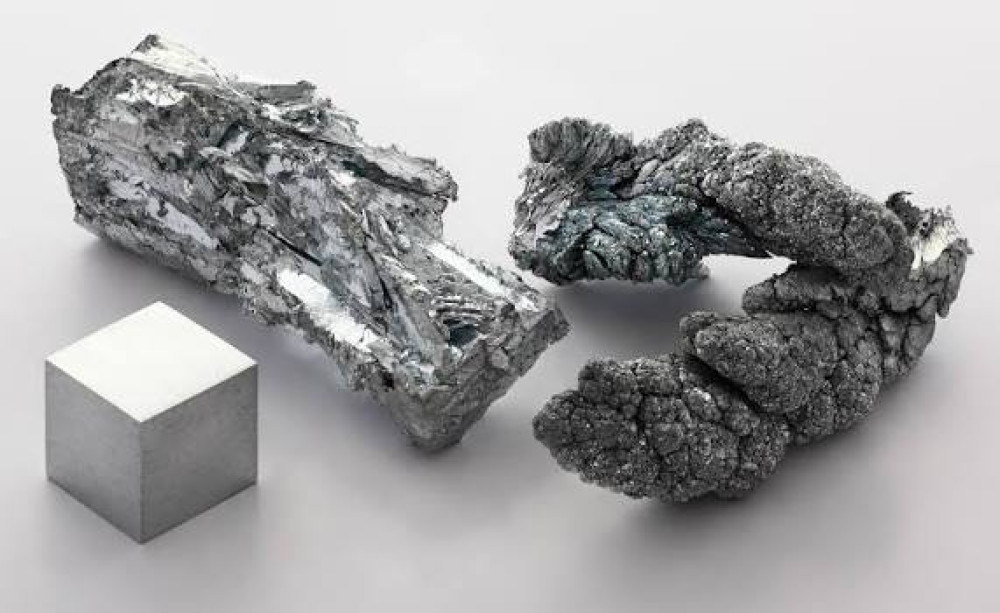

London Metal Exchange three-month zinc hit a new four-year high of $3,990 per ton on Monday as a sharp drop in global mine output and record-low smelter treatment terms tighten supply, with analysts warning the squeeze could morph into a structural problem for Western buyers.
Registered LME inventory stands at 100,525 tons, but almost a third is in the form of cancelled warrants awaiting physical load-out.
Time-spreads are correspondingly stressed, with the cash premium over three-month metal flexing out to over $230 per ton last week. While it has eased slightly to $139 per ton, the spread still signals acute tightness.
None of this was expected. When the International Lead and Zinc Study Group met in April, it projected mine output growth of 0.3% for 2026. Instead, global mine production shrank by 2.6% year-on-year in the first half of 2026, according to the Group's latest assessment. Big mines such as Antamina in Peru and Red Dog in Alaska have seen output drop as they work through lower-grade sections of their ore bodies.
Both 29Metals' Golden Grove mine in Australia and Boliden's Garpenberg mine in Sweden have had to change mine plans after seismic events in September 2025 and March 2026, respectively.
Last year's 4.8% bounce in mined output is starting to look like a blip. Global mine production fell 8.6% between 2015 and 2025, according to ILZSG data, while smelter output was broadly unchanged over the same period. The mismatch between mine output and smelter capacity is widening again, generating intense competition for concentrates.
The result is an implosion in treatment terms charged by smelters for converting concentrates to refined metal. Shanghai Metals Market's assessment of spot terms for zinc concentrate imports fell to minus $113 per ton last month—an all-time low. Smelters are increasingly relying on by-products such as silver and sulphuric acid to offset the loss of what should be a core revenue driver.
Even Chinese smelters are struggling with margin compression, but they are doing better than their Western counterparts. China's refined zinc output rose 5.9% year-on-year in the first half of 2026, while production in the rest of the world contracted by 3.4%.
The broader problem, articulated by Trafigura CEO Richard Holtum in a May blog about European smelters, is that "markets alone will not solve this." The Australian government has already stepped in with a financial aid package for Trafigura's Hobart zinc smelter in Tasmania.
"The current market dynamic of constrained concentrates availability and bombed-out treatment terms will only exacerbate the West's zinc smelting challenge," the Reuters report stated. Unless mined supply and smelter profitability improve, this could be a harbinger of things to come—a Western market increasingly dependent on China to balance its structural deficit.





Comment on this Post
Comments (0)