
NEWS
PoliticsNigeria Needs Stronger, More Disciplined Opposition to Deepen Democracy, Says Atoyebi
By Mercy Omotosho | 19th Jul 2026 | 7:40 PM
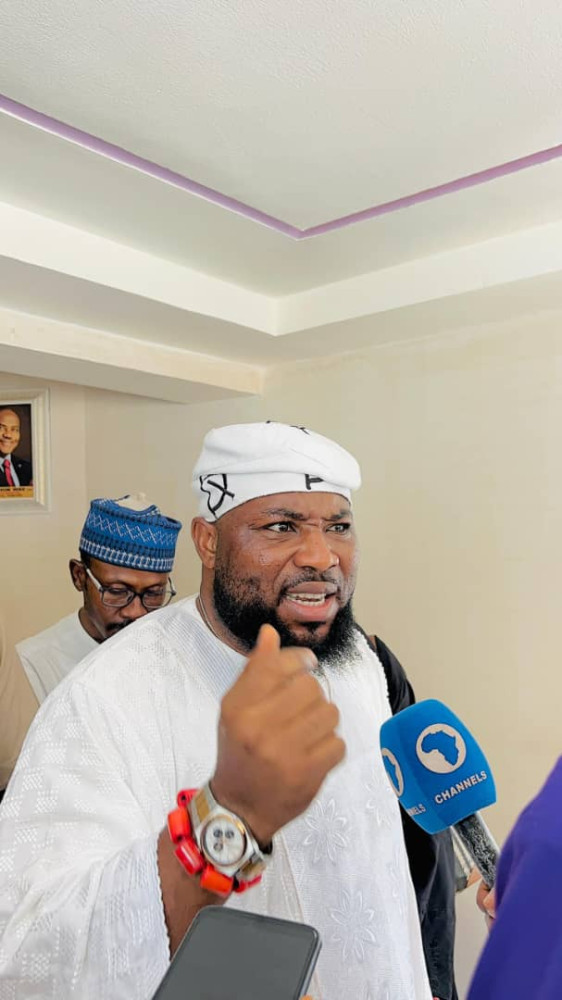

The Convener of the Bola Ahmed Tinubu Ideological Group (BAT-IG), Honourable Bamidele Atoyebi, has advocated for the emergence of a stronger, more disciplined and policy-driven opposition in Nigeria, arguing that the country’s democracy can only flourish when opposition parties provide credible alternatives rather than becoming consumed by internal crises.
Reacting to comments by Senior Advocate of Nigeria (SAN) Mutalib Adebayo during an interview on Arise Television, Atoyebi said the legal practitioner’s observations reflected growing public concerns over the organisational challenges confronting some opposition parties.
Honourable Atoyebi explained that a healthy democracy requires an effective opposition capable of scrutinising government policies, identifying shortcomings and presenting practical alternatives for national development.
He argued that opposition parties strengthen democratic governance when they remain internally organised, constitutionally compliant and policy-oriented.
He, however, expressed concern that many opposition parties have struggled to demonstrate those qualities, contending that several have become distracted by avoidable leadership crisis, legal battles and internal administrative shortcomings.
Using the African Democratic Congress (ADC) as an example, Honourable Atoyebi said the party’s internal leadership challenges predated the recent influx of prominent politicians. He argued that questions surrounding compliance with the party’s constitution, particularly regarding the tenure of its national leadership, exposed structural weaknesses that should have been carefully examined by political figures before aligning themselves with the platform.
According to Atoyebi, experienced politicians seeking alternative political platforms bear the responsibility of conducting adequate due diligence on the constitutional and legal standing of such parties before joining them. He maintained that failure to address internal governance issues before political realignments inevitably exposes parties to prolonged litigation and organisational instability.
Honourable Atoyebi noted that the ADC has since witnessed multiple leadership disputes involving different factions, resulting in legal disputes across various levels of the judiciary. He argued that such conflicts have undermined the party’s ability to project itself as capable of stable alternative government.
He rejected suggestions that every internal challenge facing opposition parties should automatically be crdited to the ruling All Progressives Congress (APC) or President Bola Ahmed Tinubu, insisting that political organisations must equally accept responsibility for decisions made within their own structures.
On the Nigeria Democratic Congress (NDC), Honourable Atoyebi referenced disputes surrounding the party’s registration and branding, arguing that controversies over intellectual property and legal ownership should have been resolved before the party commenced political activities.
He stated that subsequent litigation over the party’s name and logo reflected administrative shortcomings rather than external political interference, adding that political organisations must ensure that their legal and constitutional foundations are secure if they intend to compete effectively in democratic elections.
Honourable Atoyebi stressed that politics requires meticulous planning, legal compliance and institutional discipline rather than reliance on public sympathy or continuous allegations against political opponents.
He argued that successful political parties distinguish themselves through sound organisational structures, strategic planning and strict adherence to their constitutions, noting that internal crises often weaken public confidence in opposition movements.
The BAT-IG Convener further criticised what he described as a tendency among some opposition leaders to focus public attention on external factors instead of addressing governance, organisational and leadership deficiencies within their own parties.
According to Honourable Atoyebi, Nigerians deserve opposition parties capable of presenting coherent policy alternatives and demonstrating the administrative competence required to govern a nation.
He maintained that parties seeking national leadership must first prove their ability to effectively manage their own internal affairs, respect their constitutions and resolve disputes through transparent institutional processes and mechanisms.
Honourable Atoyebi concluded that Nigeria’s democracy would benefit from the emergence of a new generation of disciplined, analytical and strategy-driven opposition leaders capable of offering constructive criticism, credible policy alternatives and responsible democratic competition rather than remaining entangled in recurring internal crises.





Comment on this Post
Comments (0)