
NEWS
PoliticsNigeria's fuel vulnerability continues to be exposed as Dangote flips petrol price in 24 hours
By Emmanuel Oniyide | 10th Apr 2026 | 9:09 AM
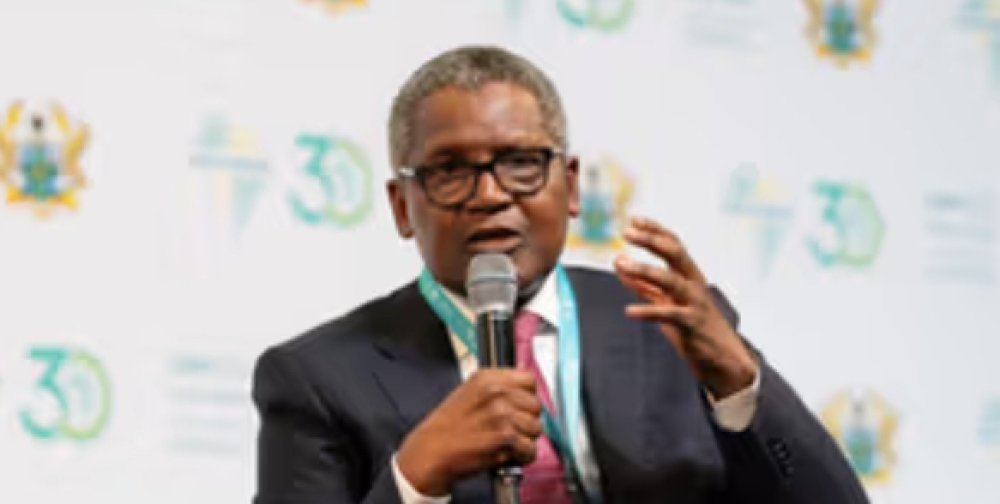

The Dangote Petroleum Refinery has lowered the ex-gantry price of Premium Motor Spirit (petrol) in Nigeria to N1,200 per litre ($0.87), reversing its recent decision to increase the fuel price, according to an anonymous source at the facility.
The new price represents a N75 reduction from the previous rate of approximately N1,275 per litre ($0.92), which was implemented just a day before in response to rising international oil prices and supply concerns.
The previous adjustment saw fuel prices rise by over 5%, while diesel prices increased by N200 ($0.14) to N1,950 per litre ($1.41), according to an official who spoke to the Punch newspaper on the quick successive increase and decline.
These swings highlight just how much Nigeria's energy market is affected by global disruptions, despite boasting the largest single-train refinery in the world and the largest crude production on the continent.
"The adjustment is in line with global market trends. You are aware of the ongoing tensions in the Middle East and how they have impacted crude oil prices. These are external factors that directly influence refined product pricing," the official, who spoke in confidence due to lack of authorisation, stated.
The drop in crude prices has been mostly linked to a reduction in geopolitical tensions regarding Iran. Brent crude, the global oil benchmark, fell after Donald Trump said the U.S. would suspend planned military action against Iran for two weeks. The halt is apparently due to efforts to reestablish safe passage across the strategic Strait of Hormuz, a vital global oil transport route. This outcome has alleviated concerns about supply interruptions, which had earlier pushed oil prices higher and led refiners to raise prices.
Furthermore, the refinery acknowledged an increase in crude oil allocations from the Nigerian National Petroleum Corporation (NNPC) during March, following a period of substantial supply deficits.
Dangote's increased crude supply
The Dangote Petroleum Refinery received ten cargoes of crude last month from the NNPC, according to the owner of the facility, Aliko Dangote.
In March, David Bird, the Chief Executive Officer of the refinery, categorised the inefficiencies within the naira-for-crude framework as a significant impediment to the facility's financial performance. He explained that the refinery needed to receive 13 to 15 cargoes each month to meet national demand.
"What we see under that agreement, we should be getting about 13 to 15 cargoes a month. And that's what we could process to meet the domestic fuel requirements of Nigeria. Currently, we're only getting five. So, that's an underperformance against that pre-agreed volume contract," David Bird said at the time.
However, the increase in crude supply was unable to mitigate the decision to increase fuel prices, while a ceasefire in the Middle East quickly caused fuel prices to drop in the West African country.





Comment on this Post
Comments (0)