
NEWS
PoliticsShell to Hand 10% South African Fuel Market to UAE's State Oil Company in $1 Billion Deal
By Emmanuel Oluwafemi Oniyide | 15th Apr 2026 | 10:33 AM
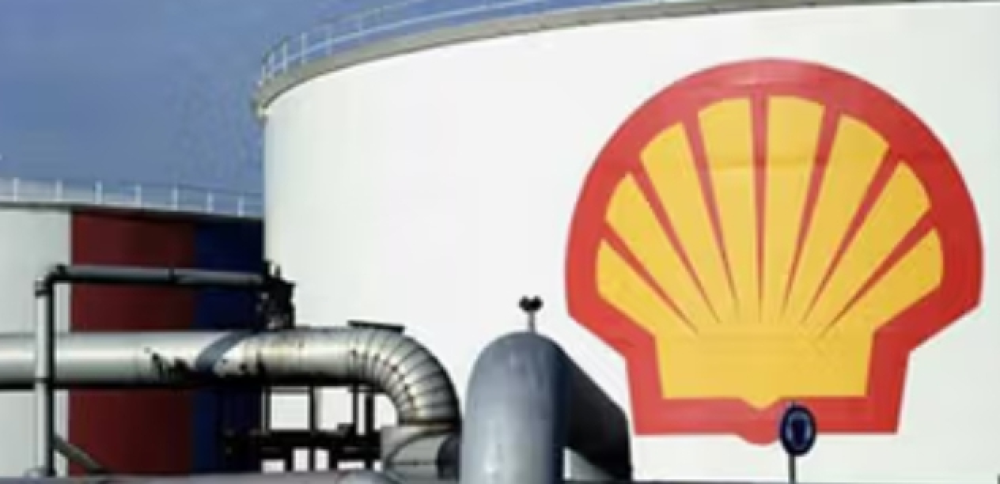

South Africa's energy sector is set for a historic shift as British oil major, Shell enters advanced negotiations to sell its downstream assets to Abu Dhabi National Oil Company (ADNOC).
The deal, valued at approximately $1 billion, marks the end of an era for Shell, which has maintained a presence in the country for over a century.
According to Bloomberg, the proposed transaction covers roughly 600 fuel stations across South Africa and could hand ADNOC close to 10% of the country's retail fuel market if completed.
The Emirati firm is said to have emerged as a leading contender for the assets after earlier discussions with other potential buyers failed to materialise.
If finalised—potentially as early as this quarter—the acquisition would give the Emirati state-owned giant an immediate foothold in South Africa's fuel market, marking a significant strategic shift for both companies.
The timing of the exit is linked to global instability. The deal comes as the Middle East conflict continues to roil energy markets, a volatility that recently forced Shell to trim its first-quarter gas production outlook.
The potential sale also aligns with Shell's longer-term strategy to streamline its downstream operations and focus on higher-margin assets.
The company had previously signalled plans to exit parts of its retail network in South Africa, reflecting a broader trend among Western oil majors reassessing their exposure to certain markets.
For ADNOC, it is a calculated expansion. The Abu Dhabi firm is currently executing a massive $150 billion investment plan (2026–2030) aimed at securing global energy dominance.
This South African play represents a broader trend of Western majors exiting retail operations while Gulf-based powerhouses move in to capture African demand.
For South African consumers, the change at the pump may be subtle at first, but the underlying message is clear: the geopolitical shocks of the Iran war and Middle East tensions are reshaping the flow of capital and energy across the continent. Shell's century-long tenure is making way for a new age of Emirati investment.





Comment on this Post
Comments (0)