
NEWS
PoliticsChina–Africa Mining Deals Face Calls for Local Ownership, Processing, Technology Transfer
By Emmanuel Oluwafemi Oniyide | 16th Oct 2026 | 10:38 AM
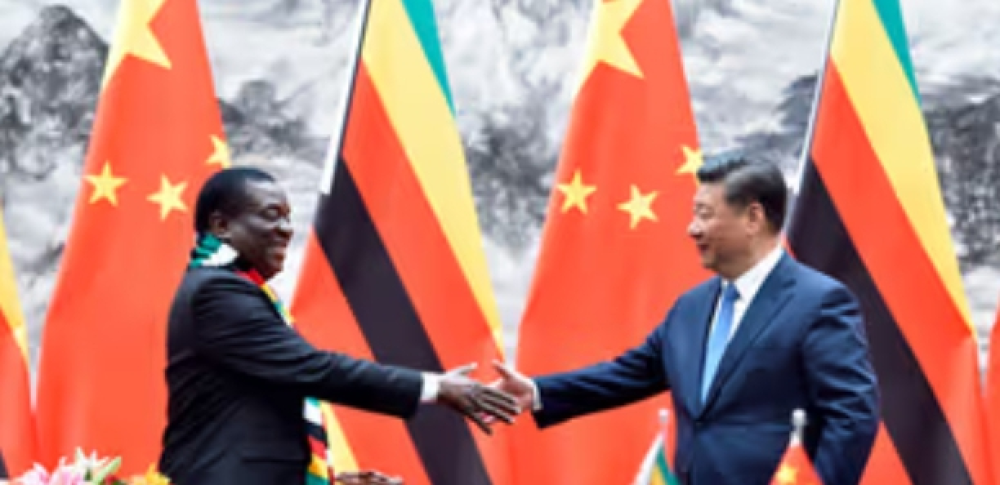

China–Africa mining partnerships are facing growing calls to deliver greater benefits for African economies through local ownership, domestic mineral processing, technology transfer and industrial job creation, as governments seek to move beyond exporting raw resources.
The debate has gained traction as competition for critical minerals intensifies and international investors seek access to Africa’s deposits of copper, cobalt, lithium, bauxite and other minerals used in energy technologies and manufacturing.
Chinese companies have established significant mining interests across the continent, including copper and cobalt operations in the Democratic Republic of Congo, copper mines in Zambia, lithium projects in Zimbabwe and bauxite operations in Guinea.
African governments are increasingly seeking to capture more value from their mineral resources by expanding processing and manufacturing within their own economies.
A report published by Global Mining Review in October noted that the number of mineral-processing facilities identified in its database across eight critical minerals increased from 79 in the second quarter of 2025 to 101 in the second quarter of 2026, a rise of 28%.
Countries are also using policy measures to encourage domestic processing. Namibia has restricted exports of certain unprocessed minerals, while Zimbabwe suspended exports of raw minerals in February 2026, according to the report. Guinea is targeting the development of five alumina refineries by 2030.
These measures reflect a wider effort to retain more economic value within mineral-producing countries instead of relying primarily on royalties, taxes and employment associated with extraction.
However, establishing processing facilities requires substantial investment, reliable electricity, transport infrastructure, technical expertise and access to markets. The extent to which individual projects deliver these benefits will depend on their commercial viability and the conditions negotiated by host governments.
The debate also comes amid renewed diplomatic attention to Africa’s role in global mineral supply chains.
On October 13, Chinese President Xi Jinping met Botswana’s President, Duma Gideon Boko, in Beijing and outlined proposals for strengthening China–Africa mining cooperation. According to reporting by the South China Morning Post, Xi called for African resources to remain outside geopolitical rivalry and emphasised the importance of increasing the value generated from the continent’s minerals.
The proposals included affordable financing, logistics infrastructure, green technology transfer, local employment and worker training.
For African governments, the challenge is to translate such commitments into measurable outcomes. These could include greater participation by domestic companies in mining ventures, locally operated processing plants, training for African engineers and geologists, and opportunities for local manufacturers to supply equipment and services.
Without clear implementation requirements, investment in extraction may generate export revenue without creating sufficient links to the wider domestic economy.
Nigeria is also pursuing greater investment in exploration, mineral processing and local value addition as part of efforts to diversify its economy.
Recent engagement between Nigerian and Chinese stakeholders has focused on exploration, mining technology, processing facilities and industrial cooperation. At Nigeria Mining Week in Abuja, discussions included investment conditions, security, regulatory reforms and opportunities for domestic mineral processing.
Nigeria’s ability to benefit from such partnerships will depend partly on whether investment extends beyond mineral extraction into processing, equipment maintenance, technical services and manufacturing.
Developing these activities could create additional employment for geologists, mining engineers, metallurgists and other technical professionals. It could also expand opportunities for Nigerian businesses involved in construction, logistics, laboratory services and industrial supplies.
However, these outcomes are not automatic. They require commercially viable projects, dependable infrastructure, transparent agreements and effective enforcement of local-content and environmental requirements.
The broader question facing African mineral producers is how to balance the need for foreign capital and expertise with the objective of building domestic industrial capacity.
Chinese investment can provide financing, equipment and technical capabilities that some countries may struggle to mobilise independently. At the same time, African governments must negotiate arrangements that support local skills development, supplier participation and the gradual expansion of domestic processing.
The challenge is not simply to attract more mining investment, but to ensure that agreements produce durable economic capabilities beyond the life of individual mines.
For African countries, the key measure of a mining partnership will be whether it builds lasting domestic capacity in processing, technology and manufacturing alongside the extraction of mineral resources.





Comment on this Post
Comments (0)