
NEWS
PoliticsSaudi Oil Tankers Fly Foreign Flags to Evade Houthi Attacks in Red Sea
By Emmanuel Oluwafemi Oniyide | 12th Aug 2026 | 9:26 AM
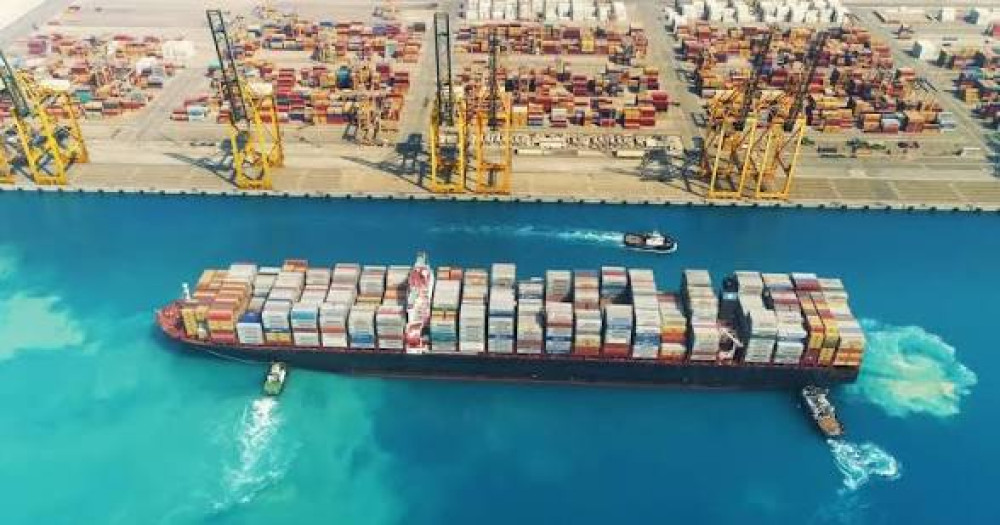

Tankers entering the Red Sea to load Saudi crude are signalling Egyptian ports and the Suez Canal as their destinations, rather than Saudi terminals, in a bid to avoid attacks by Yemen's Houthi movement.
The shift follows the Iran-backed group's announcement of a naval blockade on Saudi shipping in late July and subsequent strikes on vessels linked to the kingdom. The Houthis have since threatened to expand their campaign to the northern Red Sea, prompting Saudi Aramco to divert more cargoes in search of safer routes out of the region.
Ships are employing a two-pronged deception strategy: broadcasting false destinations and switching off tracking transponders.
The Sea Majesty, for instance, approached the Suez Canal this week with a draft indicating it had loaded oil inside the Red Sea while sailing "dark"—meaning its automatic identification system (AIS) was disabled. Shipping data firms Vortexa and Kpler confirmed through satellite imagery that the tanker picked up its cargo at Saudi Arabia's Yanbu port, yet the vessel never publicly signalled Saudi Arabia as its destination, instead listing Egypt's Ain Sukhna.
The Maran Thetis followed a similar pattern. The tanker signalled it was heading toward the Suez Canal while idling in the Gulf of Aden in late July. When it reappeared on tracking systems on Wednesday, August 5, it was fully laden, with Vortexa identifying Yanbu as the likely source of its cargo. Other vessels, including the Front Empire and DHT Gazelle, have reportedly employed the same tactics, reappearing on tracking platforms only after exiting through the Suez Canal.
The strategy reflects a wider effort by shipping companies to conceal vessel movements as attacks escalate across the Red Sea and the Strait of Hormuz. Maritime analyst Arsenio Longo framed the practice as "vessels avoiding advertising the Yanbu call publicly, rather than necessarily giving a false final destination".
Egyptian ports, particularly Ain Sukhna and Sidi Kerir, have become safer alternatives for Saudi oil exports, as they lie farther from Houthi positions in Yemen. Ain Sukhna features storage tanks and pipelines that support oil flows through the Suez Canal, one of the world's most important shipping routes linking Asia and Europe. Saudi Arabia has increasingly redirected oil shipments toward these Egyptian terminals, with at least eight very large crude carriers signalling Sidi Kerir as their destination through mid-August.
The Houthi maritime ban, announced on July 20, took effect immediately, with the group's military spokesman Yahya Sarea stating the move was based on the principle of "blockade for blockade" in response to Saudi Arabia's "siege for nearly 12 years". In an email sent to shipping companies on July 20, the Houthis warned that any vessel loading or discharging cargo at Saudi ports "would expose the violating vessels to sanctions" and that they "may be subject to targeting in any location within the operational reach of the Yemeni Armed Forces".
Saudi Arabia has maintained its oil exports despite the attacks, but the safety of Egyptian ports could become less certain if the Houthis expand their reach. Saudi Arabia has also diverted some Asia-bound crude from Yanbu to Egypt's Mediterranean port of Sidi Kerir, allowing Asian buyers to collect oil from the Mediterranean instead of using the increasingly risky Red Sea route.
"If the southern gateway to the Red Sea is blockaded, Saudi Arabia would lose a crucial shipping route to replace the Strait of Hormuz, raising concerns about potential supply shortages," the Houthi warning stated.





Comment on this Post
Comments (0)