
NEWS
PoliticsUAE’s Stakes $168 Billion in African Ports, Minerals
By Emmanuel Oluwafemi Oniyide | 12th Aug 2026 | 9:26 AM
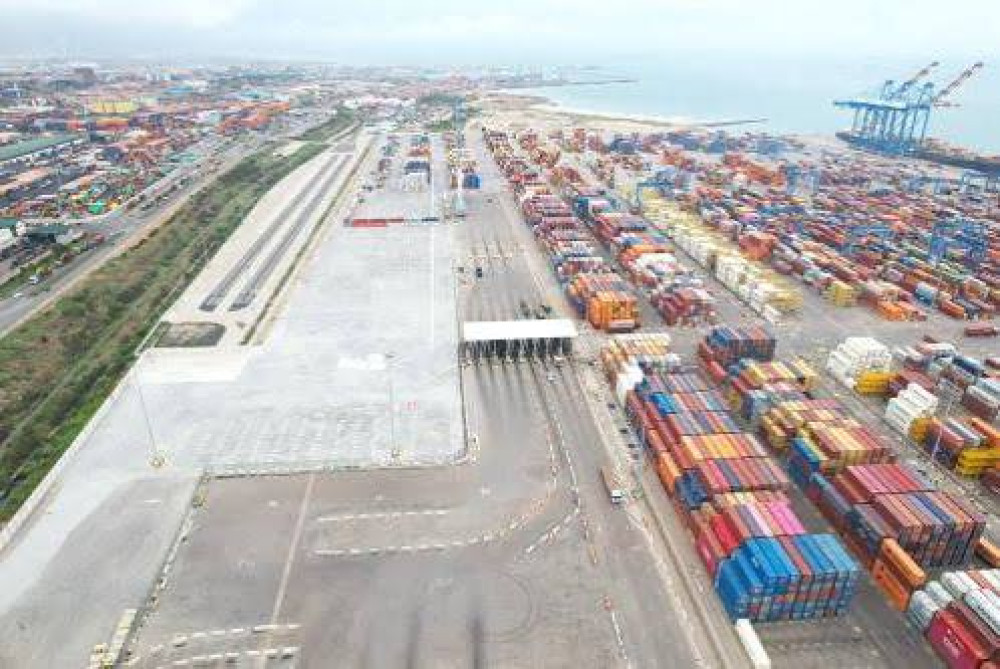

The United Arab Emirates has announced more than $168 billion in African projects since 2017, positioning itself as one of the continent’s most aggressive foreign investors and a serious rival to China, Europe and the United States for strategic assets.
The figure, based on a Financial Times analysis of fDi Markets data, spans mining, ports, agriculture and green energy. But the headline number is an announced pipeline, not capital already deployed — and some projects have faced delays or failed to progress.
DP World and Abu Dhabi Ports are driving the expansion. DP World operates or is developing ports, inland terminals and free zones in 13 African countries. It is expanding Mozambique’s Maputo port and developing the Democratic Republic of Congo’s first deep-water port. In Senegal, DP World completed major dredging at the $1.2 billion Port of Ndayane 13 months ahead of schedule in July 2026.
Abu Dhabi Ports Group, meanwhile, secured a 30-year concession for a new dry bulk terminal at Cameroon’s Douala port in February 2026, with phase-one investment of about $87 million. In May, it awarded AED735 million ($200 million) in contracts for a container terminal at Congo’s Pointe-Noire.
“A port concession can lower shipping delays and improve access to global markets,” the Financial Times analysis noted. “It can also give a foreign operator a central position in trade corridors that link exporters, manufacturers and consumers.”
Emirati-backed companies have acquired or pursued interests in gold, copper, iron ore and other minerals in the DRC, Zambia, Guinea, Mali and Mauritania. In Zambia, International Resources Holding (IRH) invested $1 billion in the Mopani Copper Mine, supporting efforts to increase production to 200,000 tons over three years.
But the same question applies to minerals as to ports: will African countries capture more than just export revenue? Governments are trying to avoid an old pattern in which raw material leaves the country while refining, manufacturing and higher-value customer relationships sit elsewhere.
“Instead of exporting copper, gold or other minerals in raw form, African governments can demand more processing, manufacturing and local supply-chain development as part of investment agreements,” according to analysis published by Africa Business Insight.
The UAE’s push gives African governments another source of infrastructure financing — and more leverage. Competition between Gulf investors, China, Europe and the United States gives governments room to compare offers on ownership, employment, local content and access to shared infrastructure.
Saudi Arabia’s interest in a Cape Town terminal shows how Gulf capital is now competing for the infrastructure that shapes regional trade. Namibia’s contest between China and the EU for uranium, lithium and rare earths has shown why the terms of investment matter as much as the size of the announcement.
“African countries have historically exported large volumes of raw minerals while importing higher-value processed goods,” the Nkafu Policy Institute noted in a July 2026 policy brief. “The challenge is therefore no longer attracting investment alone, but ensuring that investment contributes directly to productive transformation.”
The outcome, analysts say, will be decided project by project — and the countries that retain more value will be those that secure clear terms before port concessions, mining rights and long-term supply contracts are signed.





Comment on this Post
Comments (0)