
NEWS
PoliticsEnergy Fuels Secures A$180 Million Australian Government Debt for First Rare Earths Mine
By Emmanuel Oluwafemi Oniyide | 28th Oct 2026 | 8:21 AM
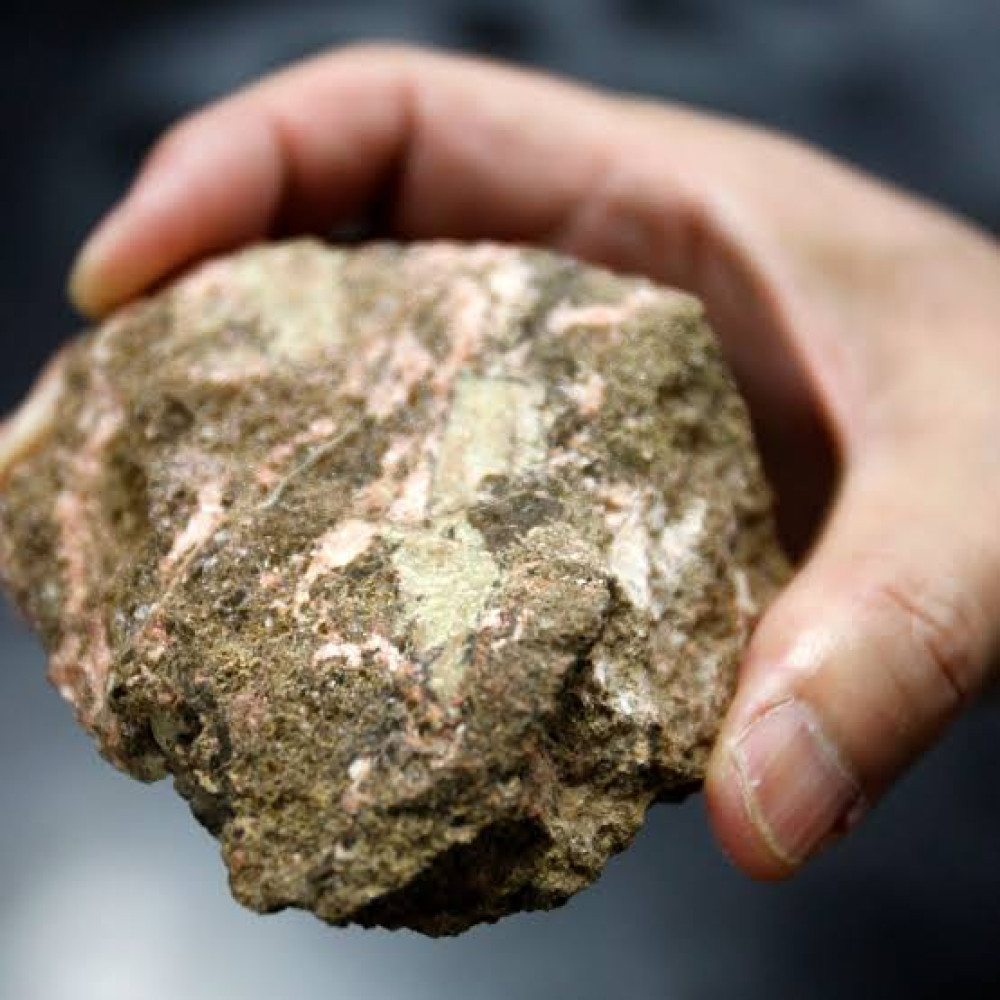

Energy Fuels has secured A$180-million (approximately $126-million) in project finance debt facilities from two major Australian government financing institutions for Phase 1 construction of the Donald rare earths and mineral sands project in Victoria, Australia, the company announced on October 27, 2026.
The funding comes from Export Finance Australia and the Northern Australia Infrastructure Facility. It represents a major milestone toward bringing Energy Fuels' first large-scale rare earths resource into production, with a final investment decision targeted before the end of 2026.
The Australian financing complements a conditional $725-million loan commitment Energy Fuels secured from the US Office of Strategic Capital in June 2026 to expand its rare earths processing, separation, metal and alloy capacity in the United States.
The Donald project is being developed as a joint venture between Energy Fuels and Australia-based Astron. Under Phase 1, it will produce 9,000 tonnes per year of rare earth element (REE) concentrate and 225,000 tonnes per year of heavy mineral concentrate.
Energy Fuels will purchase all rare earth concentrate for processing, while Astron will purchase all heavy mineral concentrate for sale to global customers.
"Donald is expected to provide a large-scale, long-term source of monazite and xenotime sand feedstock, which further distinguishes Energy Fuels as we develop a vertically integrated, Western-aligned supply chain for rare earth permanent magnets," said CEO and President Ross Bhappu.
The Donald project will supply feedstock to Energy Fuels' White Mesa Mill in Utah, which is planned to produce about 1,000 tonnes per year of neodymium-praseodymium oxide, 21 tonnes per year of terbium oxide and 122 tonnes per year of dysprosium oxide. The mill currently has capacity to process up to 10,000 tonnes per year of REE concentrate.
The oxides will be converted into metals and alloys at Energy Fuels' operating Korean Metals Plant in South Korea and the planned American Metals Plant, both added through the company's August 2026 acquisition of Australian Strategic Materials. The Korean Metals Plant currently has capacity for 1,300 tonnes per year of neodymium-iron-boron alloy, with expansion to 3,600 tonnes per year underway. Donald will supply about 75% of the expanded capacity.
The alloy will supply magnet manufacturing facilities owned by Vacuumschmelze in Germany and Finland. Energy Fuels is acquiring Vacuumschmelze, with closing expected in the first quarter of 2027. Vacuumschmelze currently has capacity to produce 2,500 tonnes per year of neodymium-iron-boron magnet block.
Energy Fuels also plans to develop additional mineral projects, including Vara Mada in Madagascar and Bahia in Brazil, as additional feedstock sources, and will purchase third-party feedstock such as mixed rare earth carbonates if needed.





Comment on this Post
Comments (0)